Arthur
Merric Bloomfield
BOYD AC OBE is Australia's
most celebrated artist.
In
1958 and 1988
Arthur Boyd represented Australia at the Venice Biennale.
In
1988
Time Magazine commissioned Arthur
Boyd to paint Earth-Fire as the cover for a
special issue on environmental conservation in Australia.
In 1992
Companion of the
Order of Australia, 1995 Australian of the Year.
Arthur BOYD 1920-1999
Bridegroom Drinking from a Creek
1958
New Walk Museum UK
Arthur BOYD 1920-1999
Bridegroom Drinking from a Creek II PAC
collection
Arthur BOYD 1920-1999
Reflected bride I
Oil, tempera on composition board
Image size: 122 x 91.4 cm
NGA Purchased 1999with funds from Nerissa
Johnson Bequest
National Gallery of Australia
Arthur BOYD 1920-1999
Shearers playing for a Bride
Oil, tempera on Canvas
150 x 175.7 cm
Gift from Tristan Buesst, 1958
NGV Collection
National Gallery of Victoria
Arthur BOYD 1920-1999 Bride
Drinking from a Creek
1960
Under
freedom of information we compiled relevant facts for you to enjoy.
We believe in sharing the knowledge and express deep gratitude to the websites
below in particular, and also to all Australian National galleries, Australian
and International Press for information they share with us, without them our
research would not be available. We hope you will enjoy the free services.
Sleeping Bride,
Oil and tempera on canvas on board, 91.5 x 122 cm,
Sotheby's Australia (now trading as Smith & Singer)
$1,200,000
The Frightened Bridegroom
1958,
Oil and tempera on board, 61.7x63.5 cm,
Sotheby's Australia (now trading as Smith & Singer)
$1,200,000
Dry Creek Bed 1953-1954,
Oil, tempera and resin on board, 91.5x122 cm,
Sotheby's Australia (now trading as Smith & Singer)
$1,057,500
Bridegroom Waiting for His Bride to Grow Up, Oil tempera on board,
137x182.9cm, Christies
$1,037,500
Phantom Bride 1958, Oil and tempera on board, .5x139.5cm, Deutscher~Menzies
$1,037,000
The
Mourners, Oil on composition board, 84x100.5 cm, Bonhams
$960,000
Lovers
by a Creek, Oil and tempera on composition board, 122x91.5 cm, Sotheby's
Australia (now trading as Smith & Singer)
$954,000
The
Dreaming Bridegoom,
Oil and tempera on canvas, 122x152.5cm,
Sotheby's Australia (now trading as Smith & Singer)
$900,000
Death
of a Husband 1958,
Oil on board, 91.5x122.5cm,
Deutscher~Menzies
$833,000
Mourning
Bride I,
Oil on
composition
board, 121x175cm, Christies
$823,500
Bride
in a Cup (1959),
Oil on muslin on composition board,
90.5x120cm, Sotheby's Australia (now trading as Smith & Singer)
$732,000
Bridegroom
Drinking from a Creek II,
Oil and tempera on board, 60.4x80.5cm,
Bonhams
$703,000
Bride
Walking in a Creek I,
Oil and tempera on composition board,
105.5x136.5cm,
Sotheby's Australia (now trading as Smith & Singer)
$666,000
The
Hunter ,
Oil and tempera on composition board, 132
x104cm,
Sotheby's Australia (now trading as Smith & Singer)
$660,000
Man
Ploughing a Field ,
Oil and tempera on plywood, 60x78cm,
Sotheby's Australia (now trading as Smith & Singer)
$660,000
Bride
and Bridegroom with Rainbow 1960,
Oil and tempera on composition board,
91.5x122cm, Deutscher~Menzies
$585,600
Landscape
with Waterhole and Herons, Near Alice Springs 1954,
Oil tempera and resin on composition board,
91.5x122cm, Sotheby's Australia (now trading as Smith & Singer),
$573,400
The
Prodigal Son, 1946-47,
Oil and tempera on casein ground on canvas, 101x121cm, Bonhams
$496,500
Bride
Drinking from a Pool 1960,
Tempera on composition board,
129.5x152.5cm, Deutscher~Menzies
$442,500
Wimmera
Landscape,
Oil and tempera on board, 72.4x95.2cm,
Christies
$428,500
Bride
in a Cave with Rainbow,
Oil and tempera on composition board, 90x121cm,
Sotheby's Australia (now trading as Smith & Singer)
$427,000
The
Old Mine, C.1951,
Oil and tempera on composition board,
91x121cm, Deutscher and Hackett
$417,272
Bride
in the Moonlight (Bride Turning Into a Windmill), 1960,
Oil and tempera on composition board,
91.5x122cm, Menzies
$410,727
The
Little Train, 1950,
Oil and tempera on composition board,
72.5x105.5cm, Menzies
$398,500
Abraham
and the Angels ,
Oil on canvas, signed lower left, 90 x 120
cm,
Sotheby's Australia (now trading as Smith & Singer)
$387,500
Bride
Dreaming ,
Oil on board, 90x122cm, Christies
$378,000
Saul
and David c. 1946,
Oil on canvas on composition board,
91.5x96.5cm, Deutscher~Menzies
376,000
Bathers
Shoalhaven Riverbank and Clouds,
Oil on canvas, 259x305cm, Christies
$366,000
Shoalhaven
River Bank (3 Rocks) (1983),
Oil on canvas, 244.5x199cm,
Sotheby's Australia (now trading as Smith & Singer)
$342,500
Berwick
Landscape c. 1948,
Oil on canvas on board, 60x80.5 cm, Deutscher~Menzies
$341,600
Train
Crossing a River (First Version) (1980),
Oil on canvas, 114x109cm, Sotheby's
Australia (now trading as Smith & Singer),
$336,000
Shoalhaven
River 1976 ,
Oil on canvas, 99x91cm, Deutscher~Menzies
$335,500
Bride
in the Moonlight (1960),
Oil and tempera on composition board,
61x91cm, Sotheby's Australia (now trading as Smith & Singer),
$330,000
Jacob's
Dream,
Tempera on board, 107x127cm, Christies
$317,200
Shoalhaven
Landscape – Australian Scapegoat (1987),
Oil on canvas, 243.5x198.5cm, Sotheby's Australia (now trading as Smith &
Singer)
Arthur
BOYD had a strong relationship with the Shoalhaven River
landscape.
The Shoalhaven River was the constant source of
inspiration for BOYD's work.
From
the 70’s BOYD painted landscapes on the Shoalhaven River. This
resulted in a significant series of
Shoalhaven
paintings that are
without doubt a key group of paintings in the
history of Australian art and in BOYD's development as an
artist.
There is no precise number of BOYD's works in
Shoalhaven
series however each
artwork based on the Shoalhaven River
is absolutely unique.
In 1979 the
ABC TV and BBC TV co-produced the television documentary film,
built on Arthur BOYD life and
Shoalhaven
landscape.
In 1979 the
ABC TV and BBC TV co-produced the television documentary film,
built on Arthur BOYD life and
Shoalhaven
landscape.
Boyd used 'Rose Madder
colour paint'
that
is one of the most expensive pigments as
the plant cultivation was decreased from 1911.
Available in Oils, Rose Madder is an excellent glazing pigment.
This
natural organic lake pigment
was first used as a dye for fabrics as the evidence (of its us) can be found in
ancient Greek, Roman and Egyptian cloths as far back as 1500 BC. Cloth dyed with
madder root pigment was even found in the tomb of Tutankhamun
on
Egyptian
mummies.
Rose Madder is
very distinctive rose coloured
natural organic
pigment is made from the roots of the madder plant,
Rubia
tinctorum.
The pulverised roots can be dissolved in
sulfuric acid,
which leaves a dye called
garance
(the
French
name for madder) after drying. Another method of increasing the yield consisted
of dissolving the roots in sulfuric acid after they had been used for dyeing.
This produces a dye called
garanceux.
By treating the pulverized roots with alcohol,
colorin
was produced. It contained 40–50 times the amount of
alizarin
of the roots.The roots contain the acid
ruberthyrin.
By drying, fermenting or a treatment with acids, this is changed to sugar,
alizarin
and
purpurin,
which were first isolated by the French chemist
Pierre Jean Robiquet
in 1826. Purpurin is normally not coloured, but is red when dissolved in
alkaline solutions. Mixed with clay and treated with
alum
and
ammonia,
it gives a brilliant red colourant (madder
lake).
Considered one of the best quality natural pigments, it was well sought after
and was brought to Europe by the crusaders.
By the 13th century, it was being cultivated across Europe, notably in the
Netherlands as their sandy soil provided a favourable environment for the plant.
However, the production of madder dye was costly and by
1860, Great Britain was importing madder at the value of Ł1.25 million a year.
It was necessary to find a better, more reliable method
making of the pigment. The renowned colourist George Field made extensive study
of the madder plant and in 1804 discovered a more efficient process of
extracting the dye and making a stronger, more vibrant pigment. William
Winsor
understood the importance of George Field’s research and acquired Fields’ notes
and experiments following his death in 1854. These 10 volumes formed a basis of
some of the colour recipes for the then newly founded Winsor & Newton Company.
The production of Rose Madder is still based on the
recipes of George Fields, which
Madder was employed medicinally in ancient
civilizations and in the middle ages.
John Gerard,
in 1597, wrote of it as having been cultivated in many gardens in his day, and
describes its many supposed virtues of
pharmacological
or
therapeutic
action which madder may possess. Its most remarkable
physiological
effect was found to be that of colouring red the
bones
of animals fed upon it, as also the
claws
and
beaks
of birds.
This appears to be due to the chemical affinity of
calcium
phosphate
for the colouring matter. This property was used to enable physiologists to
ascertain the manner in which bones develop, and the functions of the various
types of
cell
found in growing bone.
Price subject to change without prior noticeEnquire
Early Brides, painted 1957-1960 titled Love, Marriage and Death of a
half-caste, consisted of about 30-40 paintings.
In 1970-90’s, Boyd executed a
small numberof Brides, signifying a new direction, departure from the
sombre earlier series.
Although they are concerned
with similar ideas, by contrast, the hauntingly beautifulBrides convey
symbolic change, a sense of liberation, growth renewal and celebration of life.
The colours are typically Boyd - rich cerulean and ultramarine blues, deep
ochres and golds, wonderful reds and creams create a subtle glow and delightful
dazzling effect on the eye.
The Brides
is one of Boyd's most important series
of paintings that firmly established his reputation as an artist nationally and
internationally.
Bride
Descending and Bride with the Necklace also Bride with the Serpent,
convey reassuring change, liberation, growth, renewal and healing.
An
influential art critic Bryan Robertson, said: ‘These paintings do not require
any explanation. They speak with their own voice of something which the artist
feels very passionately. They are …pictures, filled with an almost lurid…
intensity of movement, stillness and colour.’ And it is just that: a deeply
felt, deeply human.
The hauntingly beautiful Bride paintings are
among Boyd's finest works. Brilliantly executed, Brides
carry expression of
human
conscience with
magical ambiance and
a voice of
understanding.
1993
ARTHUR AND YVONNE’S GIFT:
In 1993, on behalf of the Australian people, the
Australian Government accepted the gift of Bundanon, and a parcel of other
properties (1000 hectares in all) on the Shoalhaven River, from the Australian
artist Arthur Boyd and his wife Yvonne.
In 1999 Arthur Boyd passed away, leaves it to us to wonder
what the future holds.
2015 Heide Museum of Modern Art presented an unprecedented opportunity to reunite
some earlier Bride paintings from 1958 to 1960.
2022 Inspired by the cultural heritage of Boyd vision and his gift of the Bundanon
Trust properties, a fine art gallery and museum was finally realised in 2022
with the opening of the Art Museum.
Price
subject to change without prior notice Enquire
The ‘Brides’ earned Boyd critical acclaim, is a milestone in the
advancement of Australian modernism and its humanist themes, and
is Boyd's one of most valuable series of paintings.
The ‘Bride’ series remains
a highly important contribution to Australia's heritage,
representing a defining achievement in Australian art of the 20th century
and in the artist’s career.
The first Brides titled ‘Love, Marriage and Death
of a Half-Caste’ were exhibited at Melbourne’s Australian
Galleries in 1958. The paintings were a response-allegory of Boyd's
deep feelings after meeting indigenous Australians during his trip
to Central Australia. The addition to Brides was exhibited in
1960 at
Zwemmer Gallery, London.
The ideas Boyd introduced in the first Brides are the foundation of
his work produced from that time onwards. The
Bride series continued to provide Boyd with a rich source of
inspiration. It became one of Boyd’s enduring themes, displaying
a profound effect of Boyd's thinking and his love of the Australian
landscape.
Arthur
Boyd's later Bride paintings such as Bride
Descending, Bride with the Necklace and Bride with the Serpent,
with its subtle glow, convey reassuring impending change, offering a
sense of liberation, growth, renewal and healing.
The hauntingly beautiful Bride paintings are among Boyd's finest works. Brilliantly
executed, Brides carry expression of human conscience, magical ambiance and a
voice of understanding.
An
influential art critic Bryan Robertson, said: ‘These paintings do not require
any explanation. They speak with their own voice of something which the artist
feels very passionately. They are …pictures, filled with an almost lurid…
intensity of movement, stillness and colour.’ And it is just that: a deeply
felt, deeply human.
ARTHUR AND YVONNE’S GIFT
:
In 1993, on behalf of the Australian people, the
Australian Government accepted the gift of Bundanon, and a parcel of other
properties (1000 hectares in all) on the Shoalhaven River, from the Australian
artist Arthur Boyd and his wife Yvonne.
In 1999
Arthur Boyd passed away, leaves it to us to wonder what the future
holds.
2015
Heide Museum of Modern Art presented an unprecedented opportunity to reunite
some earlier Bride paintings from 1958 to 1960.
2022
Inspired by the cultural heritage of Boyd vision and his gift of the Bundanon
Trust properties, a fine art gallery and museum was finally realised in 2022
with the opening of the Art Museum.
On the background of the Pulpit Rock ‘The Bride’ descends to Shoalhaven River to
drink water.
The symbolism of water has a universal undertone of ‘purity and
fertility’ and is often viewed as the source of life itself. Symbolically water
means Transformation, Subconscious, Fertilization, Purification, Reflection,
Intuition, Renewal, Blessing, Motion and Life.
The Bride, associated with love,
beauty and fertility is
wearing a 'Necklace'.
The ‘necklace’ symbolizes the beauty and look of wealth.
Bride's
Necklace is precious Jewels,
symbolizing
the
GIFT
that the artist donated to Australia.
Necklace believed to
hold the power and resembles growth and new beginnings. But also, more
spiritually,
a
Necklace stands
for; nurturing and growth, awakening and positive
change. Historically a necklace has cultural significance to commemorate ancestors and honour the stories.
The painting
’Bride with Necklace drinking from Shoalhaven River’ is
characteristically BOYD painted with great attention to details and superb tone of colour and texture.
Arthur BOYD had a strong relationship between
the landscape and the Shoalhaven River. The Shoalhaven River was the constant
source of inspiration for Arthur BOYD's work. In 1993, Arthur BOYD gave his
Bundanon estate on Shoalhaven River in NSW to the nation for the benefit of
many.
Galeria Aniela
presents an opportunity to purchase a museum-quality art of
impeccable
provenance
the World Art Market offers to International and Australians collectors.
The Bride
series is
one of Boyd's most important series of paintings.
Bride paintings have the presence
at major public museums and galleries
including
Tate Gallery London, National Gallery of Victoria,
National Gallery of Australia,
confirming the stature of Arthur BOYD legacy in Australian and
international art.
The hauntingly beautiful Bride paintings are
among Boyd's finest works. Brilliantly executed, Brides
carry expression of
human
conscience,
magical ambiance and
a voice of
understanding.
Oil on Canvas, Signed
lower right ARTHUR
BOYD
Image Size
:
122.5 cm x 93.5 cm
Framed Size:150 x 122 cm
Price
subject to
change without a prior notice Enquire
The ‘Brides’ earned Boyd critical acclaim, is a milestone in the
advancement of Australian modernism and its humanist themes, and
is Boyd's one of most valuable series of paintings.
The ‘Bride’ series remains
a highly important contribution to Australia's heritage,
representing a defining achievement in Australian art of the 20th century
and in the artist’s career.
The first Brides titled ‘Love, Marriage and
Death of a Half-Caste’ were exhibited at Melbourne’s
Australian Galleries in 1958. The paintings were a
response-allegory of Boyd's deep feelings after meeting
indigenous Australians during his trip to Central Australia. The
addition to Brides was exhibited in
1960 at
Zwemmer Gallery, London.
The ideas Boyd introduced in the first Brides are the foundation
of his work produced from that time onwards. The
Bride series continued to provide Boyd with a rich source of
inspiration. It became one of Boyd’s enduring themes, displaying
a profound effect of Boyd's thinking and his love of the
Australian landscape.
Arthur
Boyd's later Bride paintings such as
Bride
Descending, Bride with the Necklace and Bride with the Serpent,
with its subtle glow, convey reassuring impending change,
offering a sense of liberation, growth, renewal and healing.
An
influential art critic Bryan Robertson, said: ‘These paintings do not require
any explanation. They speak with their own voice of something which the artist
feels very passionately. They are …pictures, filled with an almost lurid…
intensity of movement, stillness and colour.’ And it is just that: a deeply
felt, deeply human.
In 1993, on behalf of the Australian people, the
Australian Government accepted the gift of Bundanon, and a parcel of other
properties (1000 hectares in all) on the Shoalhaven River, from the Australian
artist Arthur Boyd and his wife Yvonne.
In 1999
Arthur Boyd passed away, leaves it to us to wonder what the future
holds.
2015
Heide Museum of Modern Art presented an unprecedented opportunity to reunite
some earlier Bride paintings from 1958 to 1960.
2022
Inspired by the cultural heritage of Boyd vision and his gift of the Bundanon
Trust properties, a fine art gallery and museum was finally realised in 2022
with the opening of the Art Museum.
Sleeping Bride,
Oil and tempera on canvas on board, 91.5 x 122 cm,
Sotheby's Australia (now trading as Smith & Singer)
$1,200,000
The Frightened Bridegroom
1958,
Oil and tempera on board, 61.7x63.5 cm,
Sotheby's Australia (now trading as Smith & Singer)
$1,057,500
Bridegroom Waiting for His Bride to Grow Up, Oil tempera on board,
137x182.9cm, Christies
$1,037,500
Phantom Bride 1958, Oil and tempera on board, .5x139.5cm, Deutscher~Menzies
$960,000
Lovers
by a Creek, Oil and tempera on composition board, 122x91.5 cm, Sotheby's
Australia (now trading as Smith & Singer)
$954,000
The
Dreaming Bridegoom,
Oil and tempera on canvas, 122x152.5cm,
Sotheby's Australia (now trading as Smith & Singer)
$900,000
Death
of a Husband 1958,
Oil on board, 91.5x122.5cm,
Deutscher~Menzies
$833,000
Mourning
Bride I,
Oil on
composition
board, 121x175cm, Christies
$823,500
Bride
in a Cup (1959),
Oil on muslin on composition board,
90.5x120cm, Sotheby's Australia (now trading as Smith & Singer)
$732,000
Bridegroom
Drinking from a Creek II,
Oil and tempera on board, 60.4x80.5cm,
Bonhams
$703,000
Bride
Walking in a Creek I,
Oil and tempera on composition board,
105.5x136.5cm,
Sotheby's Australia (now trading as Smith & Singer)
$666,000
The
Hunter,
Oil and tempera on composition board, 132
x104cm,
Sotheby's Australia (now trading as Smith & Singer)
$660,000
Bride
and Bridegroom with Rainbow 1960,
Oil and tempera on composition board,
91.5x122cm, Deutscher~Menzies
$496,500
Bride
Drinking from a Pool 1960,
Tempera on composition board,
129.5x152.5cm, Deutscher~Menzies
$428,500
Bride
in a Cave with Rainbow,
Oil and tempera on composition board, 90x121cm,
Sotheby's Australia (now trading as Smith & Singer)
$417,272
Bride
in the Moonlight (Bride Turning Into a Windmill), 1960,
Oil and tempera on composition board,
91.5x122cm, Menzies
$335,500
Bride
in the Moonlight (1960),
Oil and tempera on composition board,
61x91cm, Sotheby's Australia (now trading as Smith & Singer)
The Bride
series
Arthur Boyd's series 'Love, Marriage and Death of a Half Caste', is known as
'the Brides', was first
painted between 1957 and 1960 after Boyd travelled to Central Australia.
Boyd added few 'Bride' paintings later on... however, Boyd had changed emphasis with more
attention to the landscape - 'the Bride in the landscape'.
The Bride series of paintingsrepresents a defining achievement in both the artist's career and in
Australian art of the twentieth century.
In 1951 30-year-old Arthur
BOYD travelled to Central Australia
where he witnessed the strained relationships between indigenous
Australians and white Australians. In Persecuted lovers, a
painting from the series Love, Marriage and Death of a
Half-Caste 1957–58 a rifleman takes aim on two lovers with
silent murderous anticipation.
In 1957, Arthur
BOYD developed his first series of Bride images, known more formally as Love,
Marriage and Death of a Half-caste. The early works in the series had as their
focus the relationship between Australia's white and indigenous occupants.
By
the 1960s, however, this earlier political emphasis had changed: BOYD's
attention was fixed more on the subject of the bride in the landscape.
In his 1960s images, BOYD frequently combined the motif of a bride drinking from
a river with another favoured visual trope "the diagonally plunging figure with
the bridal gown flared-out and bell-shaped there is a play with the poetic
ambivalence of metaphoric associations: the drinking bride is insect-like, as is
the washing figure, not spider now but rather dragonfly or butterfly, a white
bridal insect lost and watched in wild solitude." (F. Phillipp, Arthur BOYD,
London, 1967, p.100).
The bride's appearance in Bride on the Shoalhaven is reminiscent of these works
from the 1960s, particularly Bride Drinking from a Pool. Nevertheless, in Bride
on the Shoalhaven, painted in the mid-1980s, the wild solitude of BOYD's 1960s
landscape has lightened, becoming less embedding of the figure it surrounds: a
shift perhaps prompted by BOYD's acquisition of his beloved Bundanon.
The artist first visited Bundanon, a property located on the Shoalhaven River on
the south coast of New South Wales, in 1971. BOYD felt an immediate affinity
with the area and in 1973 purchased the nearby property of Riversdale,
subsequently acquiring Bundanon in 1979.
The canvas follows a format familiar to
BOYD's Shoalhaven paintings of the
mid-1970s, with the surface broken up into horizontal bands containing cobalt
blue sky, the steep slope of the riverbank and the river. The disparate elements
are linked by both the textural application of the paint, as well as the immense
figure of the bride, who swoops, bird-like, into the water. Her vertical
movement is replicated by the trunks of the trees, which divide the canvas by
stripes of white, grey and taupe.
Bride with her Lover exemplifies the artist's new-found expressiveness, taking
the theme of the Bride, which originated in the late 1950s as a symbol of his
horror at the living conditions of Aboriginal Australians, and transforming her
into a universal figure. In the case of Bride with her Lover, the universality
of the Bride seems, as in a related work Double Nude II "to have grown out of
the (ex-) half-caste lovers of 1960: bared of clothes as of the last vestiges of
the original 'story' the united lovers have turned into a 'joined figure' - to
use a BOYDian title- suggestive perhaps of the bisexual oneness of the platonic
myth, but stated with characteristic literalness. The spectrum of meaning may
run from love-death, the re-entering of an eternal cycle, to narcissistic doom."
(F. Philipp, Arthur BOYD, London, 1967, p.96).
The eternality of the scene is not only to be found in the symbiotic melding of
the two central figures, but also their dissolution into the surrounding
landscape. The groom's body is given substance only through his eyes, the
fingers of his left hand, and a swathe of black curls, highlighted with sweeps
of white paint, which tumble around his face. Otherwise, his body disappears
into the forest floor, made insubstantial below and hidden from above by the
bride's wedding gown and veil. Although given greater substance, the bride, too,
melds into the forest, white swathes of paint in her veil turning to the blue of
the background hill, her skirt dissolving into the trees on the left. A crow
observes the couple from a tree, a reminder again of the eternal cycle of love
and death.
When
Arthur BOYD visited the desert regions of Central Australia in 1951, he could
hardly have imagined that paintings resulting from that experience would, within
the decade, be shown in a London gallery; purchased by Australian, British and
American collectors; and become the basis of his international recognition. His
work is now represented in the Australian national and all state galleries and
his 'Bride' series, which includes Bride walking in a Creek I, is ranked among
his greatest achievements.
Born in 1920 in Melbourne,
into a dynasty of artists, Arthur BOYD enrolled intermittently at the National
Gallery of Victoria's art school during the 1930s, he learnt primarily from his
family and their wider intellectual circle in Melbourne: painting techniques,
art history, biblical history and an intense emotional engagement with news
brought from Europe by immigrant friends.
Arthur BOYD
was deeply moved by stories of
displacement and dispossession. Austrian-born fellow artist Josl Bergner had
fled pre-War Europe in 1937. The art historian Franz Philipp, an early supporter
of BOYD's work, arrived in Australia aboard the prison ship Dunera: one of over
2000 German and Austrian interns sent from Britain in 1940. BOYD himself served
briefly and unhappily in the Australian army during the Second World War.
Then,
as his biographer Barry Pearce explains, BOYD found in the Aboriginal
settlements near Alice Springs, in Central Australia, a race of displaced
people, caught between two cultures, 'and the implication in it of something
universal'. He saw and sketched shanty towns, shearers, tribes people, and
witnessed an Aboriginal marriage with 'half-caste' women dressed in wedding
gowns.
Although profoundly dismayed by the plight of the Aboriginal people he
met in the Northern Territor and aware that this was a contemporary tragedy unknown to most urban
Australians, BOYD was not known in making a social-realist record. Rather, he
took the idea of a half-caste groom wooing a half-caste bride, worked it into a
series of large scale paintings and constructed a kind of ballad or a 'passion
play about the tribulations associated with the pursuit of love'.
Initially, Arthur
BOYD Bride series
of paintings was titled 'Love,
Marriage and Death of a Half-Caste'.
Boyd's 'Love, Marriage and Death of a Half Caste,
known as
'the Brides', represents a defining achievement in both the
artist's career and in Australian art of the twentieth
century.
In the first paintings, exhibited in 1958
at
Australian Galleries
in Melbourne, there is clear
reference to the arid landscape around Alice Springs. Floating figures, posies
of flowers and a blue-faced Aboriginal groomsman deliberately call Chagall to
mind. However, here in Bride walking in a Creek I, the background is more
verdant, the pigments densely worked into a setting for a haunting dream of love
and loss.
BOYD
included Bride walking in a Creek in the now iconic 1959 exhibition of the
'Antipodeans': the manifesto of Melbourne's leading young artists upholding
figurative expressionism in avant-garde art. This was also one of the paintings
BOYD took with him when he and his family sailed for Europe at the end of that
year and was included in his first London one-man show at the Zwemmer Gallery.
Clearly
BOYD's composition owes something to Rembrandt's Woman bathing in a
Stream of 1654 in the London National Gallery. In the calm after the storm of
the war years, BOYD had turned to the Old Masters for inspiration, researching
traditional techniques in publications such as The Materials of the Artist and
their Use in Painting by Max Doerner (1934).
By 1959,
BOYD had studied important
paintings by Rembrandt at the Gallery in Melbourne but knew A woman bathing in a
stream only in reproduction. Indeed he painted a copy from a reproduction in the
mid 1940s; as well as two versions of Susanna and the Elders, one of these a
mural completed in 1948-9 for the dining room of his uncle Martin BOYD's country
house.
Where Rembrandt depicted his mistress Hendrickje Stoffels wading in a
stream and evoking variously a mythological Diana or a biblical Susanna or
Bathsheba, BOYD's wading woman is clearly Australian. In surviving photographs
of his Susanna mural, sadly now destroyed, the trees hanging over the water are
eucalyptus.
Similarly,
BOYD's bride is walking, with her Rembrandtesque
garment lifted, in a distinctly antipodean 'creek' - reminiscent of the upper
reaches of the Yarra River. In the words of Franz Philipp, 'Rembrandt the
humanist, the moral, psychological and poetic interpreter of the Bible and, in
it, of mankind, appealed to a painter of strong humane and moral convictions'.
However, rather than mere homage, there is a note of affectionate irony in
BOYD's relationship with the art of the past. BOYD's reference to Susanna in
Bride walking in a Creek is more overt than Rembrandt's in A woman bathing in a
stream, for he includes a dark profile-head watching from the foreground
(somewhat reminiscent of the profiled Elder in Rembrandt's earlier Susanna and
the Elders, 1647, in the Berlin Gem'ldegalerie).
Yet BOYD's approach to the
theme is entirely his own. Just as the apocryphal Susanna innocently aroused
sexual desire in old men who spied on and then falsely accused her, so BOYD's
Bride seems oblivious of the observer in the bush.
About Arthur
BOYD Bride series
- NOTES from Christies
A
rthur BOYD's Bride series has rightfully
earned a canonical place in Australian art history, due to its powerful picotrialisation of issues of social justice, rendered in a poetic style that
blends figuration with an abstracted surrealism. It has been suggested that "The
Bride series constitutes, together with Nolan's two series on Burke and Wils and
Ned Kelly, the most powerful visual images to emerge from Australian painting...
in this century." (U Hoff, The Art of Arthur BOYD, London, 1986, p.22.)
The original title of the series was 'Love,
Marriage and Death of a Half-Caste', a title that was deliberately ambiguous.
Rather than presenting a simplistic symbolism of a longed for union between
white and black Australia, BOYD avoided a reductive simplification of the racial
issues by making both the bride and bridegroom half-caste. The complexity of the
narrative relations was deepened by the doubling of the bride figure in the form
of an impossible phantom bride, who is the object of a dream-like desire that is
destined to remain forever unfulfilled.
Through the cycle of missed gazes that is the
emotional core of this painting, BOYD evoked unfulfilled longing and a sense of
isolation within the compositional embrace of the figures, in the process
transposing contemporary social issues into poetic and painterly allegory.
Although this work is undeniably one of the more gentle images from the series,
the central theme of the Bride paintings is the dream of integration through
love, an ideal which is stripped of its romanticism by the culture of racism and
violence that is the fundamental reason preventing the lovers from union. BOYD
first became aware of the plight of the indigenous Australians when he visited
the Simpson Desert in Central Australia in 1951.
In
Arthur BOYD's extant sketchbooks and recorded
reminiscences from the 1951 journey, he records seeing Aborigines and
half-castes "...living in squalor in shanty towns, whorlies and dry riverbeds."
(Hoff, op.cit, p.49.) BOYD himself commented that "They are forced into this
position and it has a serious effect on you, when you are not used to it... You
suddenly come against it after imagining that they are noble savage types living
in the bush..." (A BOYD cited in F Philipp, op.cit. pp.84-86.)
Since the time of colonisation, Aboriginals had
been the subject of many works of art by artists and continued to be
depicted in the art of BOYD's contemporaries such as Russell Drysdale. Common to
all of these works however, was either an idealisation of Aboriginal culture or
their portrayal in an isolated landscape devoid of social context.
With the Bride series,
BOYD became the first
Australian artist to represent indigenous Australian within a cross-cultural
social context, thereby confronting the deep divisions that exist between white
and black Australia. The blonde curls, white face and straight nose (a hallmark
of European physiognomy) of the bride contrasts strongly with the bearded,
pug-nosed face of her bridegroom. Although she too is half-caste, for her
thwarted suitor she remains the symbol of an unobtainable union with white
Australia.
The
bridegroom is represented in his usual watchful pose, with knees drawn up and an
inscrutable expression on his face; a pose that Philipp interpreted as that of
"the dreamer".
BOYD's engagement with art historical precedents
is also evident in this work which contains allusions to Chagall.
Philipp noted
that: "The following paintings are pitched in a less substantial and coller
mode, with tenebrous blues and greens dominating.
Bridegroom waiting for his Bride to grow up, on
of the highest poetic realizations of the series, is also a key picture. Moving
towards a more severe style, it still lacks the frozenness and textural
austerity of the monumental group: the paint is scumbled in the blue posy-tree
and the veil of the phantom bride's head which emerges from it.
This painting more than any other suggests to me
an awareness of Chagall. BOYD fully masters the kinetics of his marionettes,
which seem suspended from one fulcrum of gravity: their startled and obsessed
stance and movement, their all-eye stare, the click of their non-relations." (F
Philipp, op.cit, p.92.) The half-caste bridegroom, his transitional cultural
status made evident through his European dress and bare feet, wears a suit
directly derived from the bridegroom in Chagall's floating wedding pictures.
Situated within a stark and denuded landscape
that further emphasizes the pathos of the displacement of the Aborigines, he is
now incongrous in his native landscape. It is the subtle representation of this
final indignity that freed Australian art from depictions of indigenous
Australians as 'noble savages' and allowed a modern political conscience into
our artistic culture.
The recurring motif of weightlessness sees the
bride being constantly pulled away from her beloved by an unseen force that
contradicts gravity. In all of the Bride pictures there is a repetition of
something, or someone, being trodden on: in 'Bridegroom waiting for his Bride to
grow up', the bridegroom treads on her train and holds the posy-tree between his
toes. As Franz Philipp noted: "BOYD's ballad, then, is a dream play: the
half-caste girl... turns into the 'white bride' who cannot grow up (i,e, become
real...) Always she remains in a dream which the dreamer tries to retain, to
hold with his clumsy physical weight by stepping on the bridal train or by
sitting on it... (Philipp, op.cit, p.88.)
Such subtle compositional devices act as eloquent
truths about the nature of inherited burdens, which, once understood, are all
the more forcible for being cloaked in allegory. BOYD's use of tempera mixed
with oil results in a beguiling translucency that adds to the dreamlike quality
of the painting and is particularly evident in the face of the bride. The
painting is an essay in texture with the scumbled areas of subtle colour
contrasting with the smooth finish evident in areas such as the bridegroom's
jacket which in turn gives way to the impasto used in the flowers.
BOYD brilliantly used materials and technique to
underscore the narrative and composition of the work as may be seen in the
denser paint evident in the endearingly ungainly figure of the bridegroom. His
solidity is in marked contrast to the thinly layered paint used to represent
both of the brides and which contributes to the sense of their ethereality.
The significance of the Bride series was evident
from the advent of its first exhibition and led to solo shows for BOYD in
Australia and a retrospective at the Whitechapel Gallery in London. With the
Bride series, Hoff concluded "BOYD ceases to be precocious and achieves both
absolute originality and complete maturity; these paintings are, I believe, the
watershed of his art and without them he could not have done some of the notable
later series." (U Hoff, op.cit., p.22.)
Turning allegory into a weapon for social
awareness, BOYD simultaneously highlighted his sophistication as an artist while
portraying the deeper complexities of a social problem that continues to
confront a psychologically post-colonial Australi. The series of which this
painting is an integral part will always be ranked as one of the pre-eminent
contributions to Australia's pictorial history.
Arthur BOYD white
Bride searches for her lost aboriginal groom in a fantastic
landscape inhabited by predatory birds. Marriage between aboriginals and white
women was a taboo subject in Australia in 1948. She hovers above her lost lover
whose body is half immersed in the creek. Threatening birds hop dangerously
close, the nearer with a large red penetratingly-observant eye. Perhaps the
birds represent a disapproving populace ready to pounce if things get too far
out of hand. Misty landscape features blur the coalescence of the figures and
threatening clouds add to our sense of foreboding
.
BOYD's place as one of Australia's most significant painters of the 20th
century, was based on a prodigious talent and effervescent, if often bleak,
imagination. In 1959, the BOYD family moved to London. His first London
exhibition (Zwemmer Galleries, July-Aug 1960), comprising the bride series on
the theme of thwarted lovers, was a prelude to his representation in the
Whitechapel and Tate Gallery exhibitions, 1961,62.
By the mid-1970's he had gifted several thousand works to the NGA and in 1973,
he and Yvonne BOYD purchased a house and property, Riverdale, at Shoalhaven, on
the south coast of NSW, followed a few years later by the nearby Bundanon, both
of these properties they gave to the nation in 1993. Several feature films have
been made on his work and in 1993, Barry Pearce curated a major retrospective of
his paintings, prints, drawings and ceramics for the AGNSW, which toured to
other state galleries in 1994. His work has been included in every major touring
exhibition of Australian art since the mid 1970s.
Awards:
Dunlop Prizes, Melb., 1950, 52; Kuringai, NSW Prize, 1958; Henry
Casselli Richards Prize, Brisb, 1963; Brittanica Australia Award, 1971;
artist-in-residence, ANU, 1970-72; AO, 1979; AC, 1992; Australian of the year
1995.
Reference:
McCulloch, A., McCulloch, S., McCulloch Childs, E., The New McCulloch's Encyclopedia of Australian Art, (4th edition), The Miegunyah Press,
Melbourne, 2006, pp.274.
Encapsulating the heroic and poetic in an Antipodean tragedy of thwarted lovers,
Arthur BOYD’s
‘Love, Marriage and Death of a Half-Caste’ series 1954–59 is
universally considered among his finest. Thus, upon his arrival in London
shortly after completion of the landmark series for which he had won so much
acclaim, BOYD did not immediately abandon this hauntingly beautiful theme but
rather, began to develop the imagery further – transforming his nubile bride
from the wide-eyed, flat-footed innocent with all her earthly physicality to the
sylph-like nymph featured here whose ephemeral presence hovers insect-like above
the lush, wooded landscape.
Rare and highly sought-after, the small group of
paintings resulting from such experimentation and exemplified by
Landscape with Bride, Ram and Waterfall, moreover heralded significant
thematic and stylistic shifts in the artist’s oeuvre that would culminate in his
‘mythological’ paintings of the late 1960s.
Profoundly influenced by the great masterpieces of Renaissance art which were
now so readily accessible in Europe’s vast collections, these later Bride
paintings poignantly illustrate the artist’s predilection for eclecticism at its
extreme. Merging his previous interpretations of the theme with literary
references to classical mythology and his predecessors’ pictorial meditations
upon the destinies of Eros, BOYD here creates his own highly personal, erotic
symbolism; as Rosenthal elucidates, ‘In many pictures, the fantasy has a basis
in metamorphosis, as in Nude
Turning into Dragonfly or Bride Turning into a Windmill.
In others, BOYD
displays his enduring habit of eclectic borrowing – for example, the fruitful
left breast from Tintoretto’s
Origin of the Milky Way or the mournful, seated dog from Piero di Cosimo’s
picture of the satyr mourning a dead girl.’1 All are nevertheless distinguished
from BOYD’s previous work by a more sophisticated painterly technique in which
the relative flatness of the picture surface is exchanged for a heavier impasto
style featuring thick streaks of paint carefully worked with a knife or
brush-handle akin to the vigour of contemporary expressionism.
A superb
example of this later series,
Landscape with Bride, Ram and Waterfall features the chief protagonist
portrayed as a dark, hovering, half-transparent phantom, the white halo of her
veil forming a full circle recalling the blades of a turning windmill while
below, the burning, consuming passion of her lover emerges from the darkness of
the primeval forest. In its themes of allurement and the threat of unknown
depths, the work evokes unmistakable associations with the myth of Narcissus,
while stylistically the motif of the flaming bushland prefigures the artist’s
fiery explorations of the Old Testament Nebuchadnezzar theme. Like the best of
BOYD’s achievements, the present work offers a highly idiosyncratic composition,
of multiple meaning and quenching thirst, and redolent with the energy of drama.
Rosenthal, T.,
‘Introduction’ in Hoff, U.,
The Art of Arthur BOYD, Andre Deutsche, London, 1986, pp. 22–3.
Credits:
Christies, - Arthur
BOYD, Bride with her lover - 2005, 22
August
Since the 70’s
Arthur BOYD has painted landscapes on the Shoalhaven River.
BOYD had a strong
relationship with the Shoalhaven River landscape.
The Shoalhaven
River was the constant source of inspiration for his work.
This resulted in a significant
series of
paintings that are without doubt
a key group of paintings in the history of Australian art and in BOYD's
development as an artist.
Each
artwork based on the Shoalhaven River is unique. In 1979 the
ABC TV and BBC TV co-produced the television documentary film, built on Arthur
BOYD life and
Shoalhaven
landscape.
In 1993
Arthur BOYD donated his beloved home
Bundanon
on the Shoalhaven River
to Australian people.
Since 1700's
oil-on-copper-plate
has
been used by artists with stunning results. Painting Oil-on-copper plate
allows superior clarity and
brilliance of colour
and is called
archival
with a smooth surface
assures archival quality. Unlike canvas or board,
a copper plate
must be
properly prepared.Painting oil on copper exposes artists to
number of
challenges
for that reason contemporary artists seldom use
oil-on-copper-plate painting technique.
A master painter
Arthur BOYD 1920-1999 exhibited
oil-on-copper paintings in Australian Galleries
Melbourne (1976) and at Fischer Fine Art London (1977). Now these
exquisite oil-on-copper are
highly priced rare gems, keenly sought after by the World Art market
collectors.
1.
Glue the back of the Copper Plate.
To prepare copper plate as an archival
surface, the artist first cut a solid substrate to glue to the back of the
copper plate. This will prevent bending, denting or any other major movement
that would cause the painting to crack. The artist must choose flat,
medium-density fiberboard and cut it to just under the size of the copper plate.
2. Roughen the Back of the Copper
Plate.
The artists sands the backside
of the copper plate with coarse sandpaper or scratch grooves into the metal.
This roughening helps the glue adhere to the surface while keeping the
protective plastic on the front of the copper plate.
3. Remove Dust from the Copper Plate.
To further ensure a good bond, the artist cleans off the sanded backside of the
copper with denatured alcohol.
5. Tape the Copper Plate to the
Substrate.
To ensure a good bond
between the surfaces the artist tape the board to the copper.
6. Apply Weight to Copper the Plate.
To ensure that the backing
does not slip to one side or the other while drying. The artist must
not come in contact with the copper plate.
7. Seal.
When the glue has set, the artists seals the MDF with a wood sealer to prevent
warping or other damage from water penetration.
8. Sand and Clean the
Copper Plate.
The artists removes the
plastic protection from the front of the copper plate and, while wearing a
particle dust mask and nitrile gloves, sand the surface with fine-grit
sandpaper, taking great care to sand the entire surface thoroughly. If the
artist wants a beveled edge on the copper plate, he sands the edges of the plate
with a file or a block wrapped in sand paper. Once the sanding is completed, the
artist cleans the surface with denatured alcohol and a clean cotton rag or paper
towels. The artists keep clean nitrile gloves on during this process to ensure
that the oils of your skin.
9. Prepare the Copper Plate.
Once the surface is clean, the
artist may remove the particle dust mask and take the plate into the studio.
Then the artist cut a clove of garlic and rub it’s juice onto the painting
surface or use a brush to apply a thin layer of pure garlic juice onto the
surface. Usually several garlic cloves are required and a razor blade on a plate
nearby so, after covering a few square inches, the artist can slice or reslice a
clove for fresh garlic juice. The garlic juice etches the surface of the copper
and allows for a chemical bond to the lead in your primer and/or the lead in
white; this is in addition to the mechanical bond that sanding alone would
provide.
10. Paint on the Prepared Copper
Plate. The artist may paint on the
freshly dried, garlic-juice-rubbed copper surface right away with pure oil paint
or apply primer to create a silky smooth white surface for paint application.
Artist use lead white either when priming the surface of the copper or in the
initial layers of the painting because the lead in the paint will chemically
bond to the copper, further ensuring that the paint will have good adhesion to
the surface.
If painting directly onto the copper plate, artist covers all areas with paint
as exposed copper will eventually change color.
Then again, painting on
Copper helps
reflecting the
colour from the underlying copper
surface
giving
colours
brilliant intensity of glowing light and its
brilliance
and making it heightened.
How to Prime a Copper
Plate.
Priming is
traditional when painting on copper plate. To do this, the artist
applies two coats of very thin lead-based oil primer to the surface.
The artist must keep these layers smooth and thin by rubbing on a
small amount of the lead primer with the gloved palm of your hand.
If artist wish for a smoother surface, after the primer is dry, can
carefully wet sand the surface with oil and fine-grit sandpaper.
After ten years in Europe where he built his international profile
as a figurative modernist Australian artist, Arthur BOYD and his
family returned to Australia and purchased the famous property at
Bundanon on the Shoalhaven River in 1978.
From that point on, he set
about painting the immense power of the formidable river landscape
– the strength of the land, the river in flood, the passage of
twilight, and the almost heraldic image of Pulpit Rock – generally
imbued with allegorical narratives of the human condition.
Shoalhaven at Sunset
c1975-78
is a jewel-like
early
Oil on
Copper
(from the period of the artist greatest artistic acclaim), painted with the colours of
the oil paint reflected from an underlying copper surface, giving it
the brilliance.
This makes the
sunset colours seem heightened, more sensual, but that would be for
any viewer who had not been to the Shoalhaven and experienced the
intensity of light over the river at sunset. BOYD captures a deeply
spiritual experience philosophically tied to notions of
sustainability: he strove lifelong for the preservation of the bush
landscape for future generations.
BOYD’s sunset image shows a white cockatoo coming alive,
turning, squawking, descending, as day turns to night. It twists high above the
basalt layers of the riverbank.
It is here that the river gums stand above the
waterline, straining for water in days of endless drought. BOYD marks his belief
in the sustainability of this environment with a foreground triangular structure
of rocks and trees, like a strong abiding haven for the descending cockatoo. Professor Peter James Smith BSc (Hons); Msc; M Stats;
MFA; Phd. November 3, 2013
Transcending social issues and cultural
commentary, Arthur BOYD created series of paintings that are
without doubt a key group of paintings in the history of
Australian art and in Arthur BOYD's development as an artist.
Arthur BOYD paintings have been recognized as outstanding contributions to the Australian
art of the 20th century.
BOYD's ‘Brides’ paintings were
reunited
at Melbourne's Heide Museum. In this regard
comparable to Sidney Nolan’s Ned Kelly series or Marc Chagall
‘Love and Dream’ series.
In 1978, Arthur and Yvonne BOYD
purchased properties and settled permanently at
Bundanon
on the
Shoalhaven River.
In 1979
ABC TV and BBC TV
co-produced the television documentary film,
A Man of
Two Worlds, based on BOYD's life and work.
Over the years, Arthur
BOYD
painted landscape scenes of the Shoalhaven River and the
surrounding bushland.
This resulted in one of the
most significant series of ‘Shoalhaven
River’
paintings that are not simply landscapes but rather, a fusion of
BOYD's European and Australian backgrounds.
Each painting
based on the Shoalhaven River
in the series is absolutely
unique. The precise number of Arthur BOYD paintings produced in
the series is unknown nonetheless every painting in each
individual series is unquestionably unique.
During the latter part of BOYD's painting career,
BOYD landscape
works were based on the Shoalhaven River, the series most prized
by the public.
At the beginning of 1975
Arthur BOYD return to Australia from England,
lived for a year on the banks of the Shoalhaven River in New South Wales. The
paintings in this collection were conceived during that year.
During the 70's Arthur BOYD exhibited Shoalhaven series small paintings at
Australian Galleries
and Fischer Fine Art London. Fischer went on to become one of the founders of Malborough Fine Art
in 1946.
These
oils are now rare highly priced gems, keenly sought after by Australian and
international collectors on the World Art market.
In
1978, Arthur BOYD permanently settled at his home on the
Shoalhaven River,
named Bundanon.
Over the years, Arthur BOYD befriended the formidable landscape, painting scenes
of the Shoalhaven River and the surrounding bushland. In a second part of BOYD's
painting career
from
the late 70’s, BOYD landscape works were based mostly on the Shoalhaven River.
This resulted in a significant series of paintings that are expression of Arthur
BOYD love for Australian landscape.
Shoalhaven
paintings are not simply landscapes but a fusion of Australian history and the
key in the artist development. The ABC TV & BBC TV co-produced the documentary
film, A Man of Two Worlds, based on BOYD's life and work.
In
1993, Arthur BOYD gave to the people of Australia the family properties
comprising 1,100 hectares (2,700 acres) at
BOYD began, with the ongoing stimulus of Porter's poetry, to introduce
the moral narrative to the set.
At the same time, in 1976, BOYD work on the Shoalhaven landscape, with its riverbank and
reflecting pools under Pulpit Rock.
In 1984 Arthur and Yvonne BOYD left London to Australia and, more specifically,
to their property Bundanon,
on
the
Shoalhaven River. However
BOYD's joy at
re-discovering the Australian landscape was tempered with a distressing
awareness of the careless treatment of the natural environment by reckless and
hedonistic visitors.
BOYD was a practical environmentalist who, together with
Sidney Nolan, had fought to stop sand-dredging near Riversdale on the Shoalhaven
in 1981.
The artist is recorded as saying:
"I think Australians have been apt to believe
that because this was such a vast land, they couldn't make a mark on it.
But a
mark has been made and if it continues at this rate, it will soon be too
late..."
(Arthur BOYD, cited in J McKenzie, Arthur BOYD Art & Life,
London, 2000, p.169).
Thus while the subject matter of
BOYD's
Bather series followed a long established western art historical tradition, BOYD's rendering of this theme was imbued with both personal and contemporary
environmental concerns, as Hoff noted in the following extract:
"BOYD in bathers, which had not occupied him since the early fifties
was revived by Cézanne's Bathers in the London, National Gallery. The
idyllic and secluded beach, far from the city, which Conder and Streeton had
made popular, is replaced by the beach in the technological age. Cars and
speedboats, raucous cries of a hedonistic mob break the calm of nature. What
BOYD owes to Cézanne is the considered build-up of the figures into a frieze
composition.
The stunning effect of the huge painting rests on the contrast between hot
tints, large forms of a crowd and the beauty of
the natural world. Above the garish human turmoil rises the impressive, timeless
riverbank. Luminous cumulus clouds scud across the deep blue sky. "
To
quote
Elwyn Lynn, "the work is the epitome of the creative continuity
of Arthur BOYD's art."
(U Hoff, op.cit, p.81). Curtsey: Sotheby's catalogue, 23
April 2007.
PHOTO
1943 :
Arthur Boyd (left) and
John Perceval at the Boyd's Murrumbeena property.
Arthur Merric Bloomfield Boyd AC OBE, a leading
Australian painter of the middle to late 20th century, is one of Australia's
most prominent artists.
Boyd work is highly respected and traded in major international
art venues and held in public galleries throughout Australia and overseas.
In 1958 Arthur Boyd represented Australia
at the Venice Biennale
and
twice
again 1988 and 2000.
Boyd
has been
awarded the H G Richards Memorial Prize, 1963, honoured with the Order of
Australia for services to the arts and the Companion to the Order of Australia.
Boyd is also an accomplished sculptor and ceramist and was responsible for the
design of the tapestry in the reception hall at Parliament House, Canberra.
AUSTRALIAN PAINTER, POTTER, AND PRINTMAKER
Born:
July 24, 1920 - Murrumbeena, Victoria, Australia
Died:
April
24, 1999 - Melbourne, Victoria, Australia
Arthur Boyd left school at fourteen to work in his uncle's paint factory. The
following year Arthur Boyd attended classes at the National Gallery School in
Melbourne while there he painted portraits of his siblings and self-portraits.
Boyd also fell under the influence of the Jewish immigrant artist Yosl Bergner
who introduced Boyd to novelists such as Fyodor Dostoyevsky and Franz Kafka;
writers who would help shape his humanitarian worldview.
When Arthur Boyd was sixteen, he moved in with his paternal grandfather on the
Mornington Peninsula at Rosebud. Under Arthur Snr's guidance,
Boyd developed his skills by focusing on portraiture and seascapes of Port
Phillip. He enjoyed exploring the nearby bay and creeks by boat, and constructed
a cart so that he could carry painting supplies behind his bicycle.
Around the time of the outbreak of the
WWII,
Arthur Boyd moved to Melbourne where he met a number of European refugees and
Australian nationals whose physical disabilities barred them from joining the
war service. These displaced, desolate
and tortured
souls would occupy many of Boyd's paintings.
In 1941 Boyd was conscripted to serve with the Cartographic Unit, he
produced several paintings that, according to the artist Sue Smith, were
"painful images of the dispossessed and the outcast".
On 6 March 1945 Boyd married fellow painter Yvonne Lennie whom he had met
while in military service. They lived at Open Country, and Arthur's first studio
was built in the grounds there from a modernist design by his cousin, Robin
Boyd. Soon after, Boyd,
John Perceval
(his brother in law) and Peter Herbst founded the Arthur Merric Boyd Pottery
Workshop at Murrumbeena where he and his colleagues turned their attentions to
pottery, ceramic decoration, and sculpture.
Meanwhile, Arthur Boyd created a series of paintings, including two of his best
known, The Mourners and The Expulsion that drew on biblical
narratives of human cruelty as a way of broaching the theme of horror and
suffering in war.
Arthur Boyd liked to touch the paint, using his hands and fingers to manipulate
his oils; like a potter would shape his or her clay. Indeed, Boyd disliked being
called an "artist" and dismissed it as a "phoney romantic" ideal when he saw
himself rather as "a painter [...] a tradesman".
In the late 1940s and early 1950s, Arthur Boyd travelled throughout the Wimmera
countryside of Victoria and Central Australia, devoting his energies to
landscape painting.
In 1951 Arthur Boyd visited Alice Springs where he met Aborigines for the 1st
time and was shocked at their near destitute living conditions.
This experience
initiated his series of 31 paintings Love, Marriage and Death of a Half-caste
(also known as The Bride) which represented the Aboriginal figure of
mixed descent as a maltreated outcast. Exhibited in 1958 in Melbourne, The
Bride series caused considerable controversy.
Arthur Boyd later said: "I'd like to feel that through my work there is a
possibility of making a contribution to a social progression or enlightenment"
During this time, Boyd also formed close friendships with members of the
modernist Heide Circle of artists. These included Albert Tucker, Joy Hester and
Sidney Nolan, and the art patrons John and Sunday Reed.
Arthur
Boyd, however,
maintained a cool distance from the group and its hierarchical structure,
preferring to root his artistic identity in the Boyd family. Nevertheless, he
felt an allegiance with the Heide artists' commitment to Figurative Modernism as
opposed to the fashion amongst many modernists for abstraction.
In 1958, Arthur Boyd, with fellow Australian landscape painter Arthur
Streeton, represented Australia at
the Venice Biennale.
Boyd again represented Australia at the Venice Biennale in 1988 and 2000.
The following year, in 1959, Arthur Boyd became affiliated with a newly
founded group of Melbourne-based artists (Charles Blackman, David Boyd, John
Brack, Robert Dickerson,
John Perceval, and
Clifton Pugh) who called themselves the
Antipodeans,
and who, like the
Heide
circle of artists, worked to promote figurative painting.
In 1959, a year after the death of his father, Boyd and his family
relocated to London where they lived until 1971. The move, which coincided with
the Antipodeans exhibition at the Whitechapel gallery, saw Boyd earn a living by
designing sets for the ballets and operas, and by producing etchings and ceramic
paintings.
In 1966, Boyd made his only trip to Paris, along with fellow Australians
Sidney Nolan and Barry Humphries, to view a major
Picasso exhibition. Boyd made
frequent trips to London's National Gallery where he became captivated by the
works of
Poussin,
Veronese,
Tintoretto, Piero di Cosimo,
and
Rubens, as well as other
Venetian, Sienese and Florentine painters. During a trip to Venice, meanwhile,
he fell in love with the works of Giorgione.
The art critic Bryan Robertson noted that, "Some aspects of Arthur Boyd's
painting could be said to have been marginally affected by American art, notably
Abstract Expressionism, but
Boyd's allegiances were as direct to European art as his roots were in the
splendid Australian impressionism".
Arthur Boyd's years in England had in fact marked a more intense focus on
Australian subjects and landscapes. The eminent English art historian and museum
director Kenneth Clark was one of the first European collectors to support Boyd,
purchasing one of his paintings of the Australian outback. Boyd's stay in London
was capped off in 1970 when he was appointed an Officer of the Order of the
British Empire (OBE) for his services to the arts.
In 1971, Boyd and his family returned to Australia, eventually settling
at Bundanon on the Shoalhaven River in New South Wales where he continued to
paint landscapes.
In 1975, Boyd was awarded a Creative Arts Fellowship from the Australian
National University and donated several thousand works including pastels,
sculptures, ceramics, etchings, tapestries, paintings and drawings, to the
National Gallery of Australia.
In 1976, Boyd was appointed an Officer of the Order of Australia for his
service to the visual arts. Around the time that his son, Jamie, came of age for
military service, Boyd signed a petition protesting against Australia's
involvement in the Vietnam War.
1978
-Although he would continue to return periodically to England (always by boat,
as he feared flying), Boyd and his wife Yvonne settled permanently on the
Shoalhaven River, where they purchased two properties at Bundanon and
Riversdale.
Boyd built additions onto the pre-existing buildings at both sites to extend the
homes and created new studio spaces. The rugged scenery surrounding the
Shoalhaven River inspired many of his later landscape paintings.
In 1979, the ABC and BBC TV networks co-produced a documentary film, A
Man of Two Worlds, based on Boyd's life and work. In the early 1980s, he
protested against sand mining on the Shoalhaven River, one of Australia's
greatest natural assets.
Around that time, he was made an Honorary Doctor of Letters by the University of
Melbourne and in 1982 he donated his family villa in Paretaio, Tuscany to the
Australia Council's artist-in-residence program.
This gesture was followed by his so-called Australian Scapegoat series.
Featuring violent imagery and archetypes associated Australian military history
(to once more condemn the futility of war) Boyd explored constructions of
Australian identity in the lead up to the bicentenary of the arrival of the
First Fleet in 1988.
In 1988, Arthur Boyd was commission by
Time Magazine
to paint
Earth and Fire as the cover for a special issue about
environmental conservation in Australia.
In 1992 Arthur Boyd was appointed Companion of the Order of Australia.
In 1993,
the Art Gallery of New South Wales held
Arthur Boyd major retrospective.
I
n
1995, Prime Minister Paul Keating named Boyd "Australian of the year" in
recognition of his contribution to Australian art, and his philanthropic work.
In 1998, the Australia Post produced a series of stamps featuring
Arthur Boyd
photograph and images of Boyd's works.
In 2010,
Arthur BOYD was honored by
Google. Inspired
by his 'Shoalhaven at Sunset'
Google reworked the company's logo
The Age, 24 July
2010
In February 1999, aged seventy-eight, Arthur Boyd suffered a heart attack
during a return journey from England.
Arthur Boyd
recovered from his
heart attack
and was released from
hospital, however he suffered a second, fatal, heart attack on 24 April 1999.
Arthur Boyd
was
survived by Yvonne and their children, Jamie, Polly, and Lucy who all continued
to work as artists.
The Legacy of Arthur Boyd
According to Edmond Capon, the Director Art Gallery of New South
Wales, "Few Australian artists have cast their vision across so
broad a landscape of ideas and traditions, both real and
mythological, as Arthur Boyd and few have sustained their creative
powers with such force and energy". His landscapes, biblical
allegories, and other works, many of which foreground the wild
beauty of the Australian wilderness, served as a model for
subsequent generations of Australian artists. Most notably, through
his involvement with the Heide circle of artists, and the
Antipodeans, he participated in the promotion of figurative art at a
time when abstraction was dominating the art market, inspiring other
Australian artists, like Piers Maxwell Dudley-Bateman, Robert
Dickerson, and John Brack, to do the same.
Moreover, Boyd's commitment to foregrounding humanitarian and social issues in
his works gave his art a deeper, more universal value. In this way, he connected
art with everyday life and pressing issues relevant to each historical moment he
lived through. Curator Barry Pearce notes that Boyd struggled with the demands
of the commercial art market, stating that "he found it very hard being enslaved
to the collectors [and] was constantly riven with anxiety". Despite his
reservations, however, John Neylon summed his importance to Australian modernism
when he wrote: "Along with others of his generation ([Sidney]Nolan et al) Boyd
represented, for aspiring young artists in the 1960s, a model of what art should
be about - defiantly different to all the Australian art that had gone before.
When Nolan populated his 'Australian' landscapes with mytho-poetic figures,
emerging local artists were inspired. Boyd also fuelled this hunger for new,
creative narratives about Europism Down Under. But he was, and remains,
remarkably different".
Boyd's work ranges from impressionist renderings of
Australian landscape to starkly expressionist figuration, and many canvases
feature both.
Arthur Boyd was born into a family of artistic
renown. Arthur Boyd’s grandparents Emma Minnie (nee a’Beckett) and Arthur Merric
Boyd were both accomplished and recognised artists, exhibiting at the Royal
Academy in London and in various galleries in Melbourne. Arthur Merric was a
traditional landscape painter affiliated with the Heidelberg school.
Arthur Boyd grandfather, Arthur Merric Boyd was a
New Zealand landscape artist who settled in Australia in 1886,while his
grandmother Emma Minnie, a member of the A'Beckett family, was an accomplished
painter. Both paternal grandparents exhibited at the Royal Academy, London and
Arthur Merric taught his grandson the skill of landscape painting in the
Heidelberg tradition. Boyd learnt ceramic art from his father, Merric Boyd while
family life revolved around art and religion.
At the age of 17 he held his first exhibited at the
Seddon Gallery in Melbourne. He was soon to move away from the light-toned, blue
and gold palette style of the Heidelberg School to a darker palette using freer
more expressive brush strokes. In the early forties Boyd came under the
influence of social realist, Yosl Bergner, and took painting lessons from Danila
Vassilieff, an expressionist artist. He was an active member of the Angry
Penguins and shared a studio with
John Perceval. The paintings of this time
already exhibited a Boyd characteristic: tension experienced on margins, such as
the boundary of sex/love, love/loathing.
In 1945 Boyd studied the European Masters especially
Brueghel and Bosch and later Rembrandt. Religious themes became prominent in the
work although he gave them contemporary pertinence and universal significance
and they were often sited in local landscape. In 1948 he commenced a magnificent
series of landscapes based around the Wimmera which won him the respect of the
Australian cultural establishment.
In the early fifties, Boyd turned much attention to
ceramics and produced some of his finest sculpture. In 1956-57 Boyd painted the
much acclaimed Bride Series which bought him international attention and
arguably, is his best work. These important Chagall-like allegorical paintings
also known as "Love, Marriage and Death of a Half-Caste", were made from
observations during a trip from Alice Springs to Arltunga in 1951 and are
concerned with the problems facing half-cast Aborigines and poverty. Boyd was
one of the seven artists who contributed to the controversial Antipodeans
exhibition, 1959 which defended form and figuration and questioned the all
encompassing conversion to abstract expressionism.
In 1960, Boyd moved to London and from 1970 divided his time between Britain,
Tuscany and the Shoalhaven River, NSW. His work continued to include landscape
and mythology - religious and allegorical. He has designed and painted sets for
major London productions.
Arthur Boyd was a painter, potter and printmaker
from a family of artists. Boyd aimed to convey an inner emotional vision through
his work, rather than describing the external world. He painted lyrical and
emotive allegories on universal themes of love, loss and shame, often located in
the Australian bush. These artworks draw on a wealth of literary and
mythological sources as well as intensely personal and often ambiguous
symbolism. Boyd had a strong social conscience and his paintings engage deeply
with humanitarian issues.
Boyd attended night classes at the National Gallery
School in Melbourne in 1935 and was taught by his parents, Merric and Doris Boyd
at their home in Murrumbeena, Victoria. At age 14 he went to live with and learn
from his grandfather, Arthur Merric Boyd, on the Mornington Peninsula. He was
influenced by his contact with the Jewish immigrant artist Yosl Bergner, who
introduced Boyd to such writers as Dostoyevsky and Kafka.
Conscripted
into the Cartographic Unit of the army in 1942 during the Second World War, Boyd
did not see active service, but the war supplied the subject matter for his
paintings of the 1940s, which featured the crippled and wounded in turbulent
settings. After the war he established the Arthur Merric Boyd Pottery Workshop
at Murrumbeena, with
John Perceval and Peter Herbst. In the late 1940s Boyd
turned to the Bible as a way of expressing the horror and suffering of war.
Paintings such as The
expulsion,
1947-48 draw on biblical narratives of punishment and depict nature as an
overwhelming force controlling the individual.
Travelling around central Australia in the 1950s he
was shocked by the conditions in which Aboriginal people were living in Alice
Springs. This experience initiated the Love, marriage and death of a
half-caste series of 31 paintings, also known as The bride, which imagined the
figure of an Aboriginal person of mixed descent as a neglected outsider. The
series was exhibited in Melbourne in 1958 where it raised contentious issues
about the ongoing marginalisation of Aboriginal people.
Boyd was
associated with the Antipodeans, a group of painters founded in 1959 and
championed by art historian Bernard Smith, who attempted to promote figurative
art at a time when abstract painting and sculpture was in the ascendancy. The
group had an exhibition at the Whitechapel Gallery in London, and in 1959 Boyd
relocated to London with his family, where he remained until 1971. Despite his
English location, Boyd continued to depict Australian subjects, locating his
allegorical and mythical scenes in Australian bush settings (
In 1971 he returned to Australia, eventually
settling at Bundanon on the Shoalhaven River in New South Wales where he
continued to paint landscapes. His Australian scapegoat paintings of the 1980s
explored constructions of Australian identity in the lead up to the bicentenary
of the arrival of the First Fleet in 1988. With their violent imagery and
aggressive colouring they draw on archetypes of Australian military history to
suggest the futility of war. In addition to painting, Boyd worked prolifically
in ceramics, designed sets for the theatre, and provided illustrations for the
poems of Australian poet Peter Porter.
In 1993 a major retrospective of Boyd’s work was
held at the Art Gallery of New South Wales. In the same year, Arthur and his
wife Yvonne gifted their property Bundanon, comprising of 1,100 hectares, to the
Australian people.
Arthur Boyd's work has been offered at
auction multiple times, with realized prices ranging from 26 USD to 1,470,643
USD, depending on the size and medium of the artwork.
Artist's alternative names: Arthur Boyd, Arthur Merric Bloomfield Boyd, Arthur
Merric Boyd
Arthur BOYD was
a f
igurative
expressionist painter, ceramicist,
potter and printmaker from a family of artists.
Arthur BOYD is
considered one of Australia’s most significant modern artists (born in
1920), he was taught by his grandfather, prominent painter Arthur Merric BOYD.
Arthur Boyd served in the Second World War and his experiences influenced the subsequent
themes of psychological anguish and suffering in his work.
Following the war
Arthur Boyd became friends with art patrons John and Sunday Reid. BOYD and his family
lived and exhibited in London during the 1960s.
Boyd returned to Australia in the
1970s and lived at properties in Shoalhaven and Bundanon, areas which he painted
until his death in 1999. A major
retrospective of his work was held in 1994 at the Art Gallery of New South
Wales. BOYD received an Order of Australia in 1979 and Companion of the
Order of Australia in 1992.
Arthur BOYD
painted lyrical and emotive allegories on universal themes of love, loss and
shame, often located in the Australian bush. These artworks draw on a wealth of
literary and mythological sources as well as intensely personal and often
ambiguous symbolism. BOYD had a strong social conscience and his paintings
engage deeply with humanitarian issues.
BOYD attended
night classes at the National Gallery School in Melbourne in 1935 and was taught
by his parents, Merric and Doris BOYD at their home in Murrumbeena, Victoria.
At age 14 he
went to live with and learn from his grandfather, Arthur Merric BOYD, on the
Mornington Peninsula. He was influenced by his contact with the Jewish immigrant
artist Yosl Bergner, who introduced BOYD to such writers as Dostoyevsky and
Kafka.
Conscripted into
the Cartographic Unit of the army in 1942 during the Second World War, BOYD did
not see active service, but the war supplied the subject matter for his
paintings of the 1940s, which featured the crippled and wounded in turbulent
settings. After the war he established the Arthur Merric BOYD Pottery Workshop
at Murrumbeena, with
In the late
1940s BOYD turned to the Bible as a way of expressing the horror and suffering
of war. Paintings such as
The
expulsion,
1947-48 draw on biblical narratives of punishment and depict nature as an
overwhelming force controlling the individual.
During the 1940s his work went through several phases including the
painting of a large mural at the home of his uncle, Martin BOYD, at Harkaway
near Berwick, Victoria. A series of landscapes of north-west Victoria, a nine
metre ceramic sculpture he built in Melbourne for the Olympic Games swimming
pool in 1955 and he celebrated his 'Half-Caste Bride' series painted 1957-59
after an earlier visit to Central Australia.
Travelling around central
Australia in the 1950s he was shocked by the conditions in which
Aboriginal people were living in Alice Springs. This experience
initiated the Love, marriage and
death of a half-caste series of 31 paintings, also known as
The bride, which imagined
the figure of an Aboriginal person of mixed descent as a neglected
outsider. The series was exhibited in Melbourne in 1958 where it
raised contentious issues about the ongoing marginalisation of
Aboriginal people.
BOYD was
associated with the Antipodeans, a group of painters founded in 1959 and
championed by art historian Bernard Smith, who attempted to promote figurative
art at a time when abstract painting and sculpture was in the ascendancy. The
group had an exhibition at the Whitechapel Gallery in London, and in 1959 BOYD
relocated to London with his family, where he remained until 1971. Despite his
English location, BOYD continued to depict Australian subjects, locating his
allegorical and mythical scenes in Australian bush settings (
A
prize winning film was made in Melbourne about his 'Half-Caste
Bride' series by Tim Burstall and Patrick Ryan in 1959. During the
1960s he lived mostly with his family in London, exhibited widely
and established an international reputation including a Romeo and
Juliet ceramic Triptych in 1964 to honour Shakespears's 400 year
anniversary.
In 1971 he returned to
Australia, eventually settling at Bundanon on the Shoalhaven River
in New South Wales where he continued to paint landscapes. His
Australian scapegoat
paintings of the 1980s explored constructions of Australian identity
in the lead up to the bicentenary of the arrival of the First Fleet
in 1988. With their violent imagery and aggressive colouring they
draw on archetypes of Australian military history to suggest the
futility of war. In addition to painting, BOYD worked prolifically
in ceramics, designed sets for the theatre, and provided
illustrations for the poems of Australian poet Peter Porter.
During 1971-72 for six months at ANU, Canberra, as a resident Fellow
in Creative Arts.
In 1975 he presented a large collection of sculptures, etchings and
paintings to the ANG Canberra and in 1984 was commissioned to design the
tapestry for the reception hall at new Parliament House, Canberra. Worked in UK
for part of 1989-90.
At Galeria Aniela, Fine Art
refers to
high-quality
works by
renowned
artists.
Combining a wide network of resources with the
expertise in the
Australian
art and
Global
art market, Galeria
Aniela assists clients in all aspects of dealings in
fine art,
helping save time and money.
Whether you are a first-time buyer, an astute investor
or enthusiastic collector, our people focused approach
ensures an enjoyable and rewarding experience.
We welcome the opportunity to speak with you, please
feel free to
contact
us
to discuss ways in which Galeria Aniela can assist you
now and in the future.
Works of art live for generations, constantly reborn in the minds of the
beholders to bring new meanings, new dreams, new ways of seeing and experiencing
the world. Be part of this magic world of amazing fine art from the ocean of
tranquillity to
concur
the heart, mind and soul.
The vision of Galeria Aniela is to increase the awareness of Australian artists
cultural contribution. With passion for art, hard work and dedication, we strive
for high ideals to create a better future for the arts.
When
you purchase Art from Galeria Aniela,
you make a valuable contribution to our mission of helping artists to make a
living with their creations and together we make a difference.
 World’s Local Fine Art
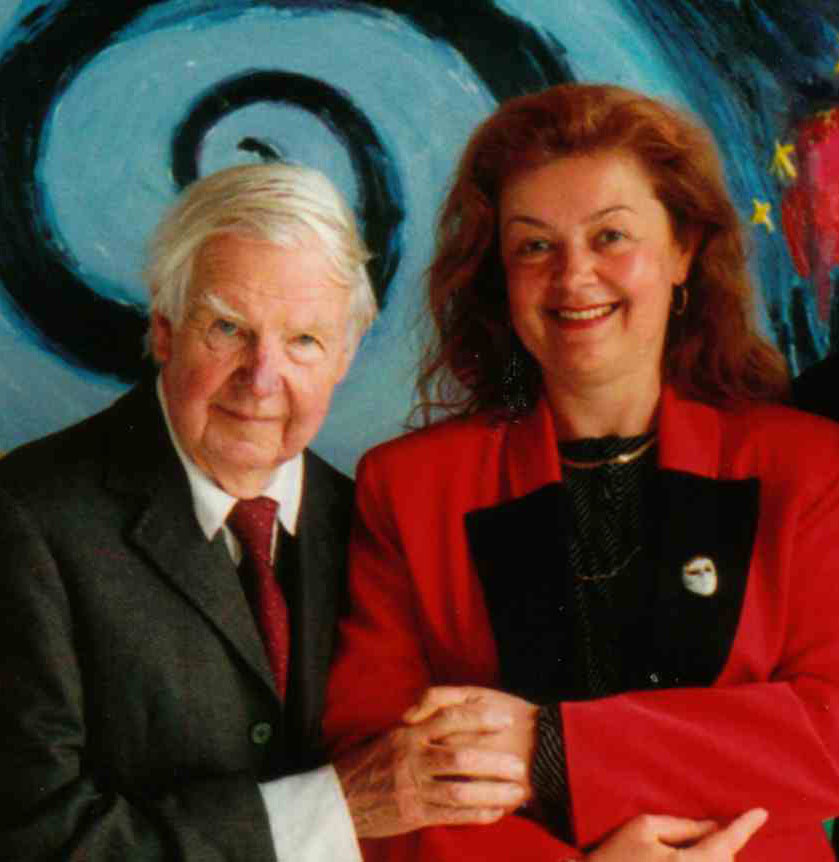
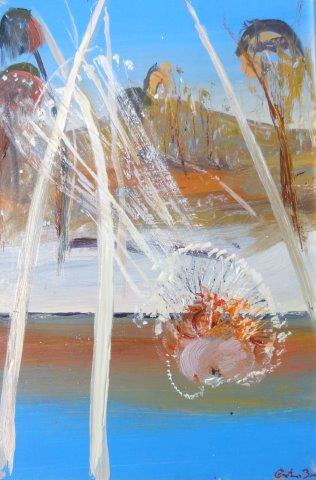
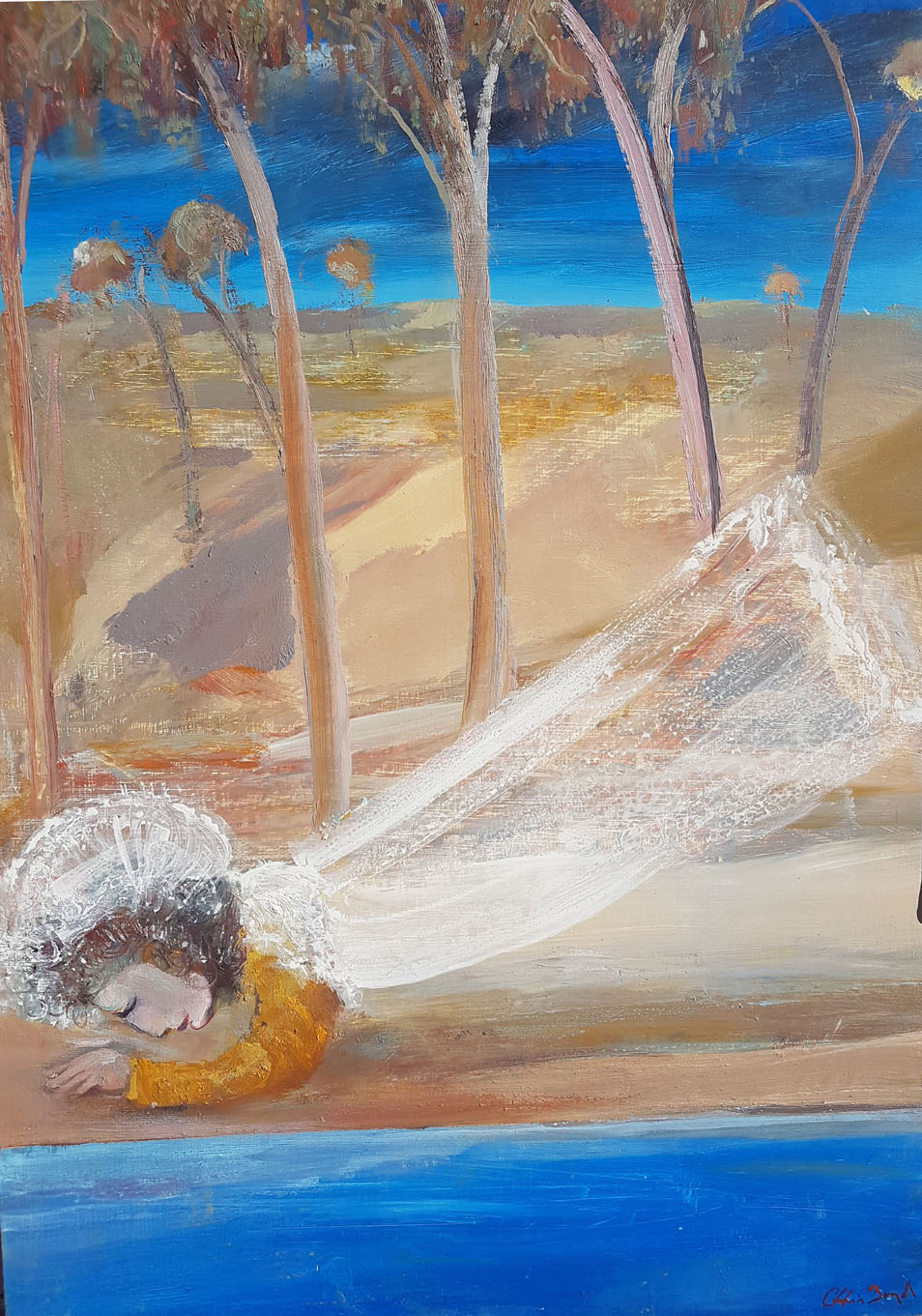
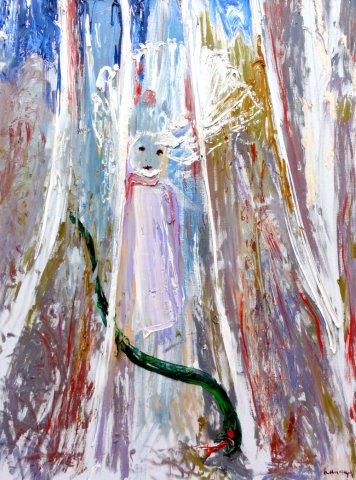
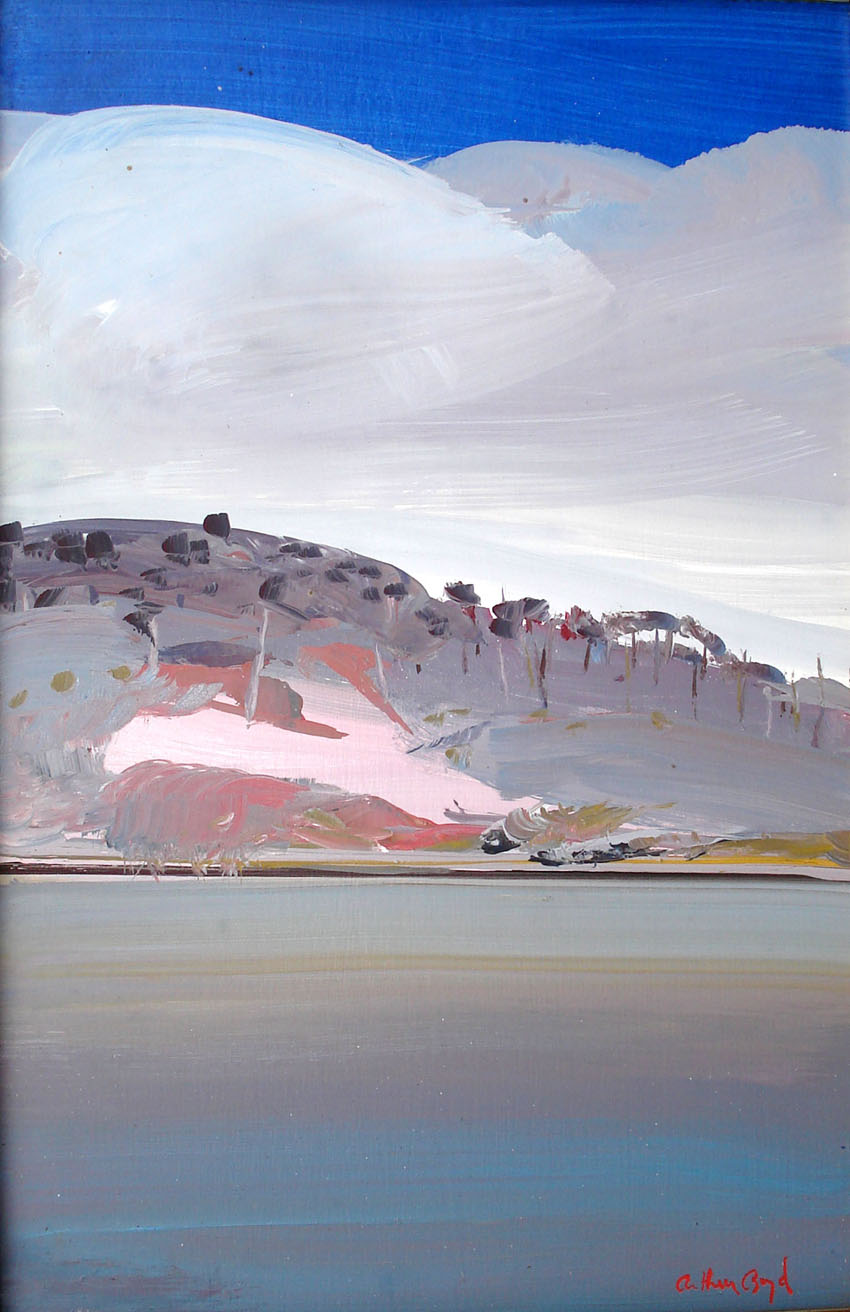
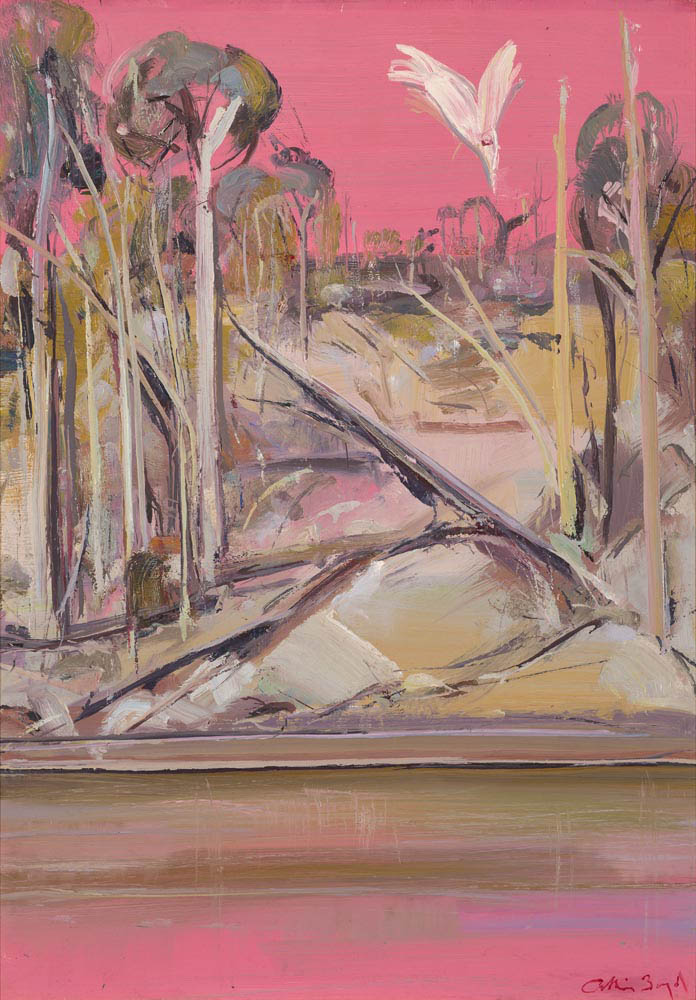
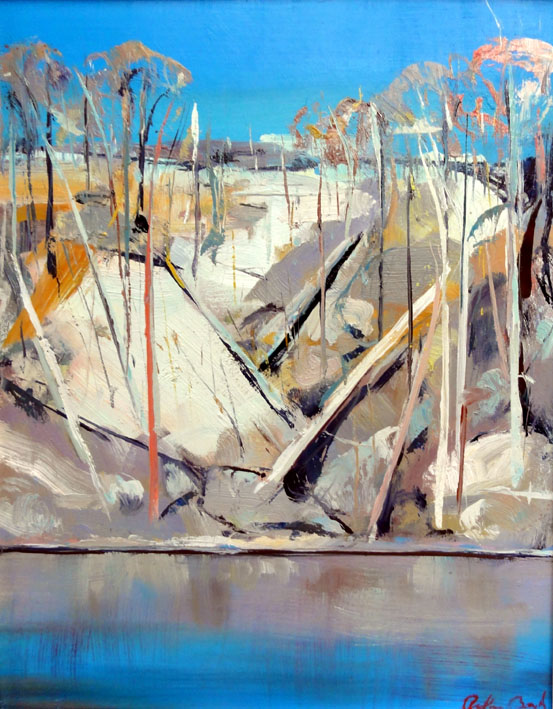
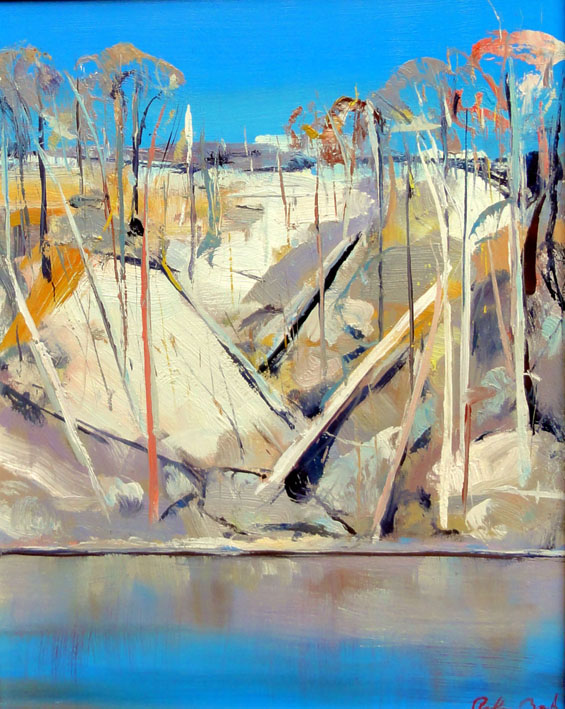
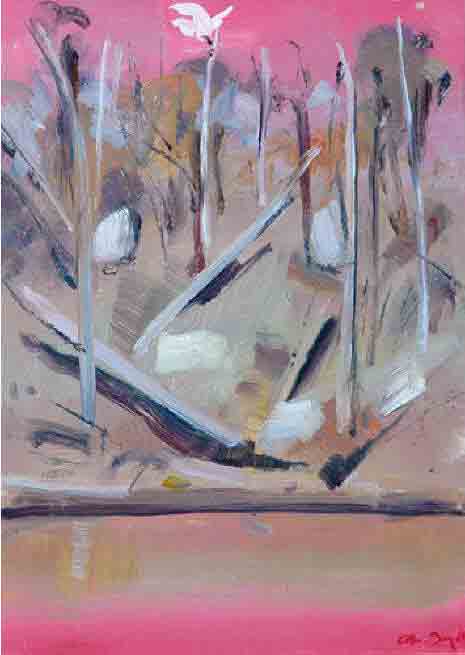
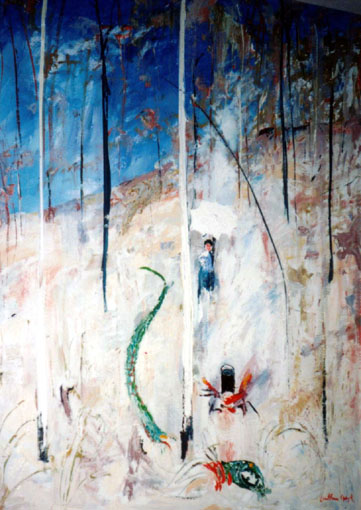
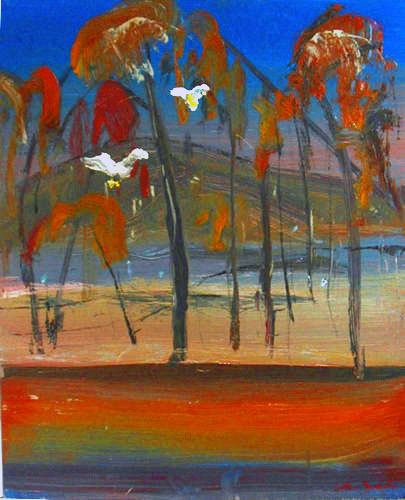
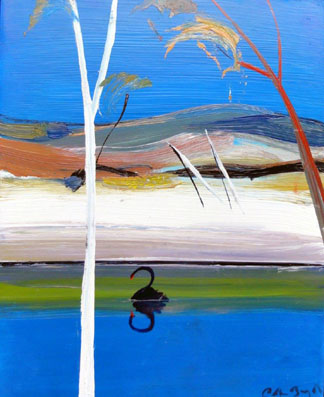
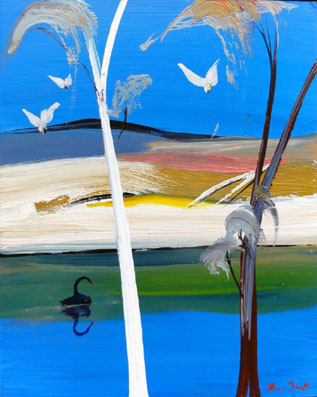
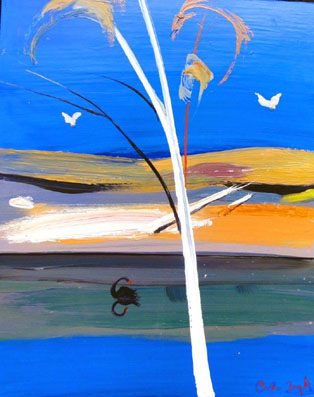
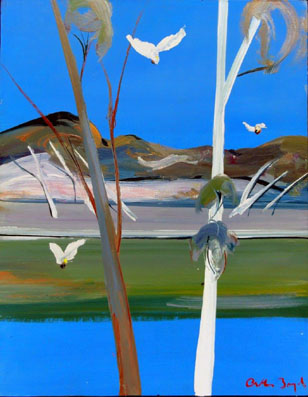
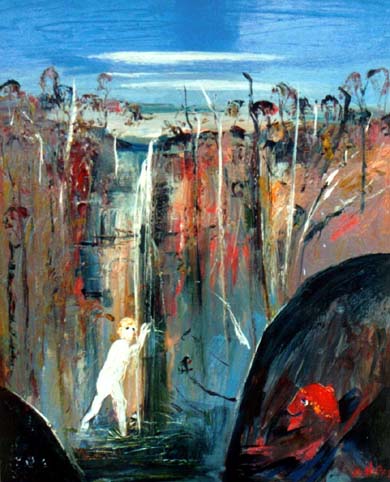
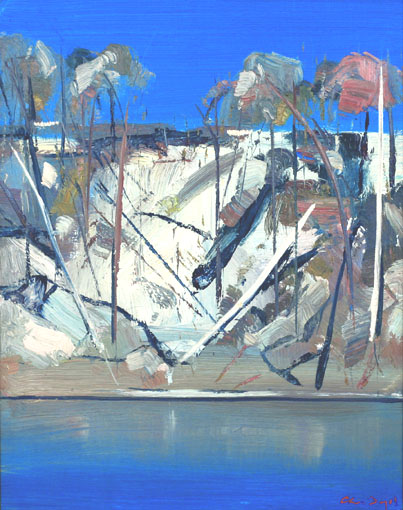
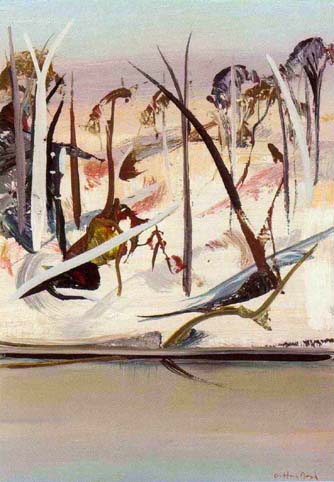
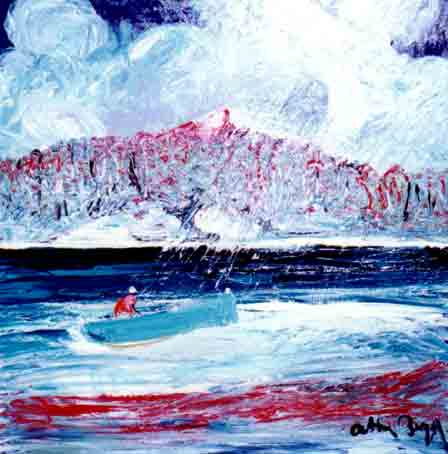
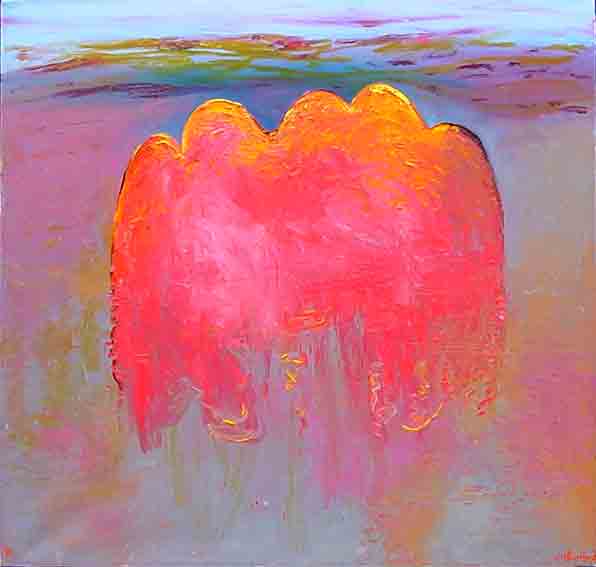
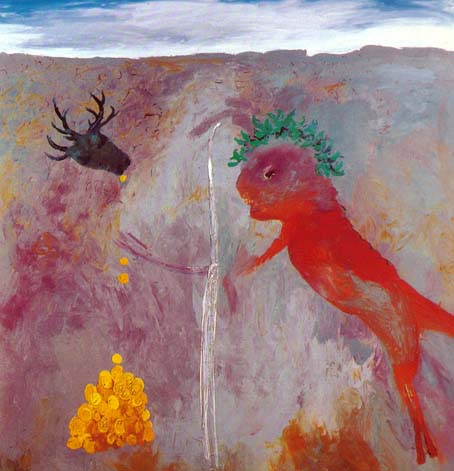
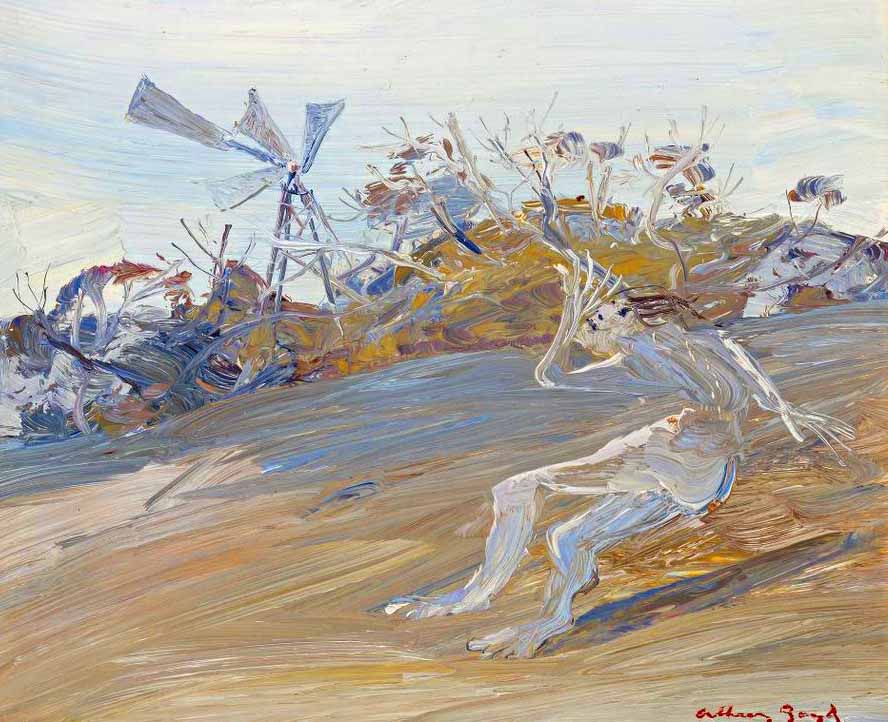
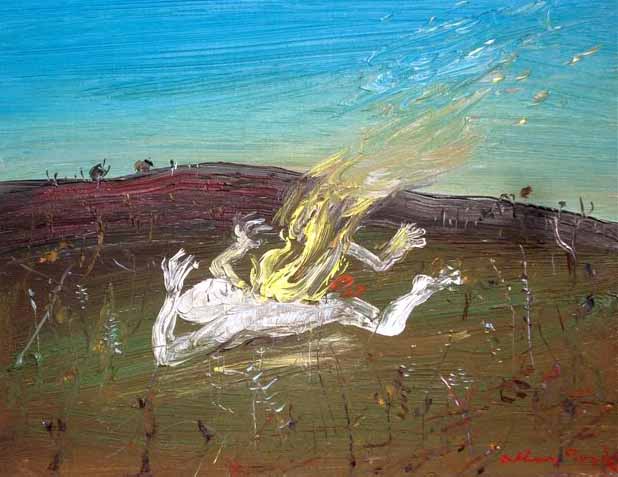
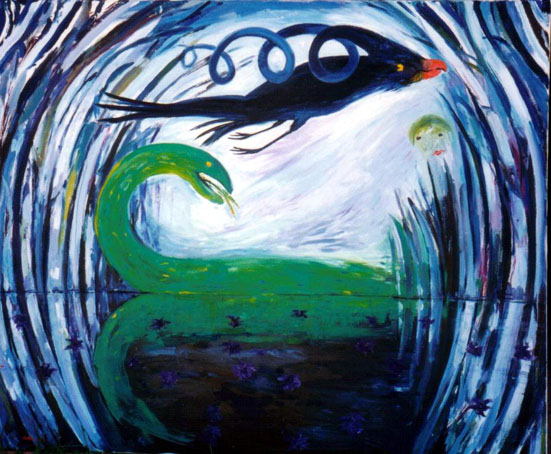
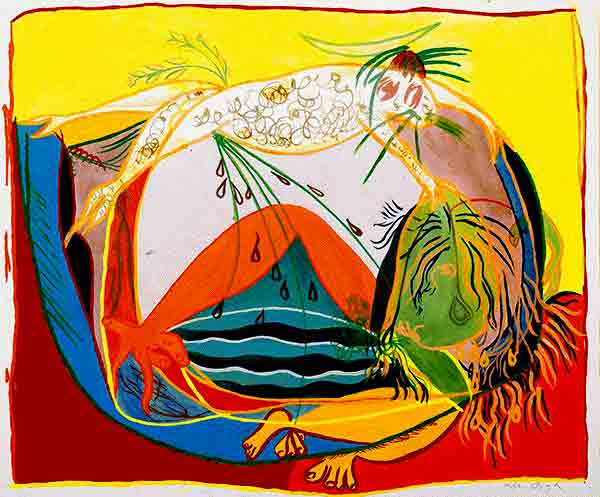
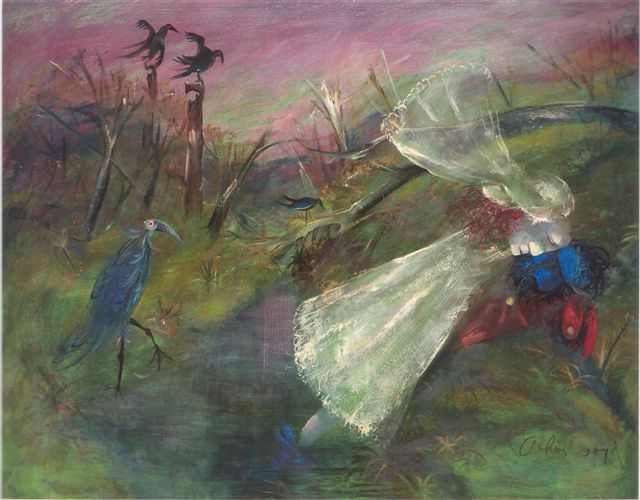
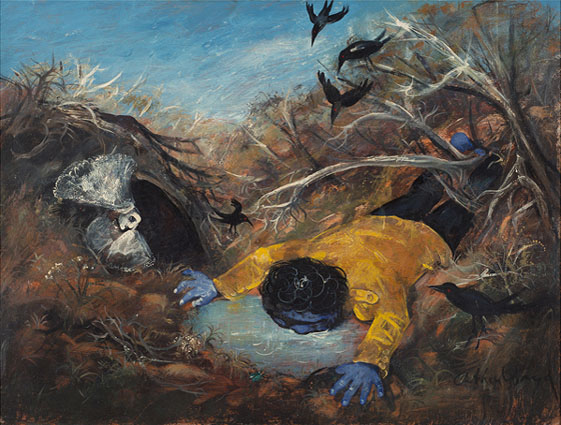
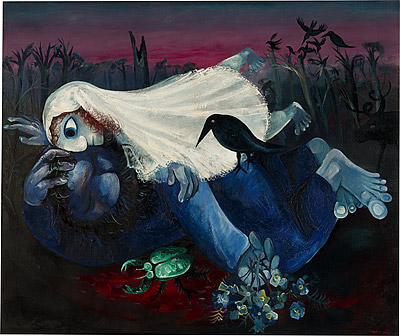
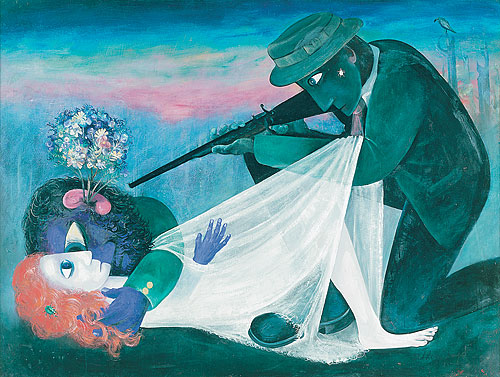
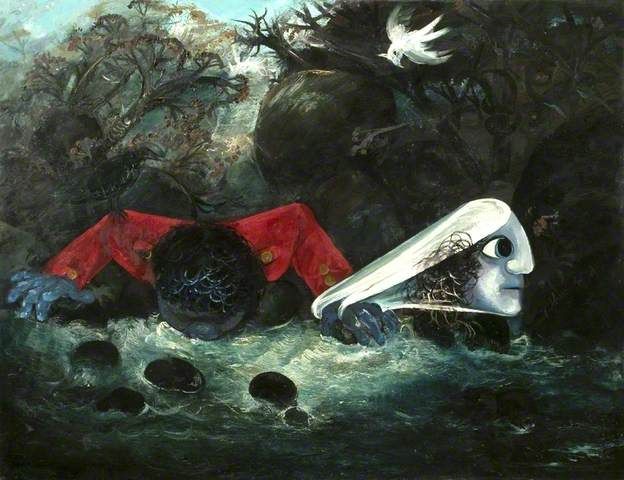
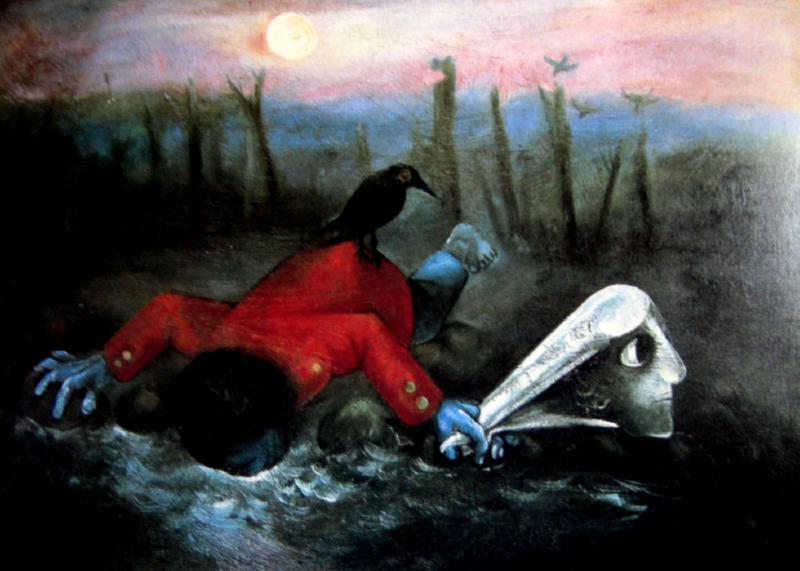
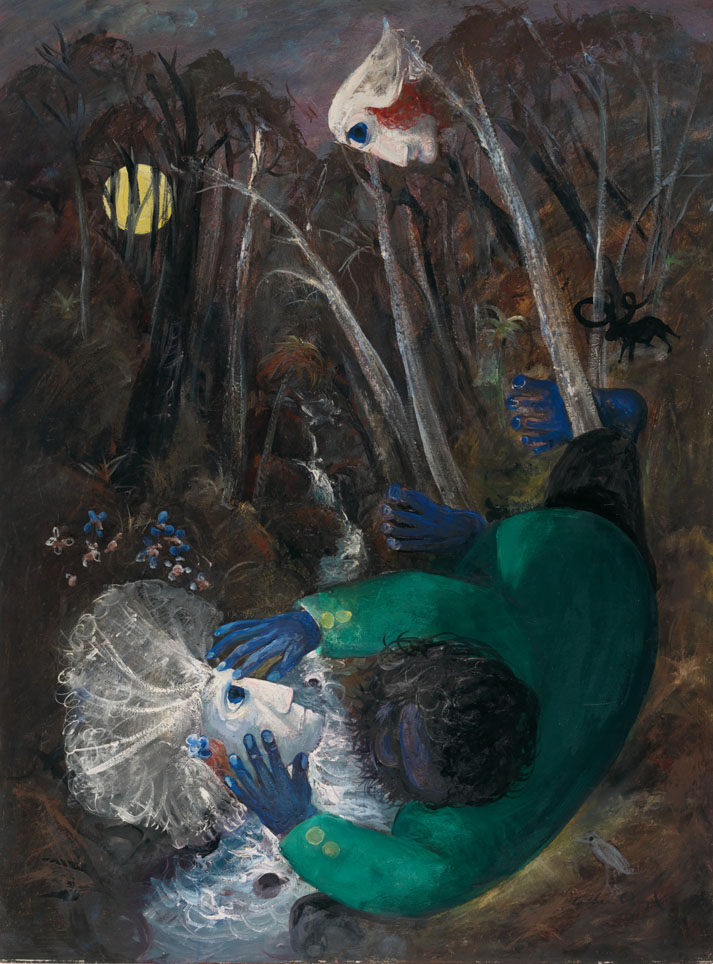
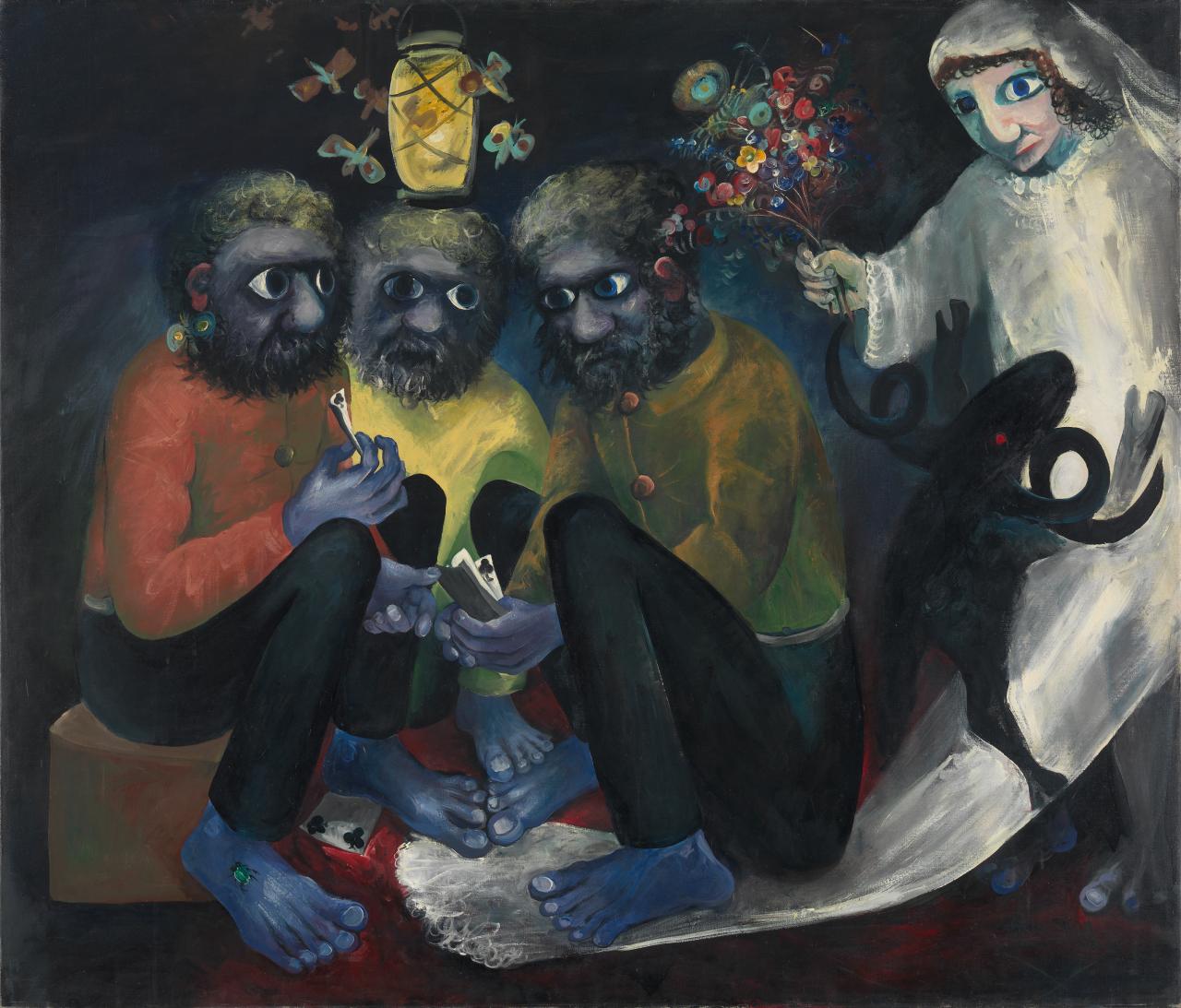
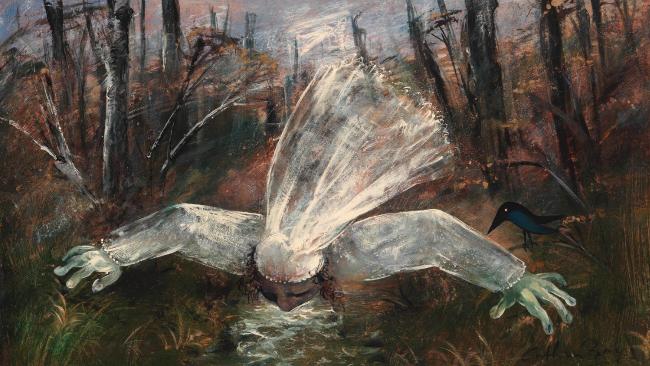
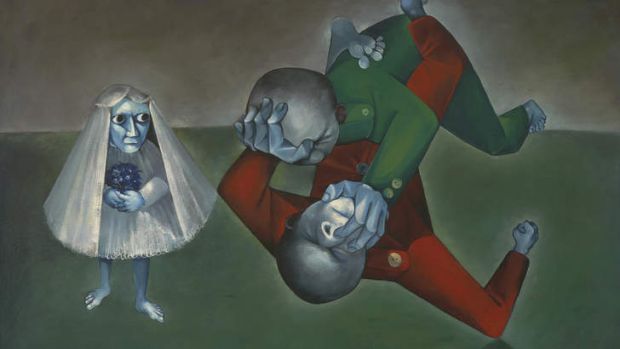
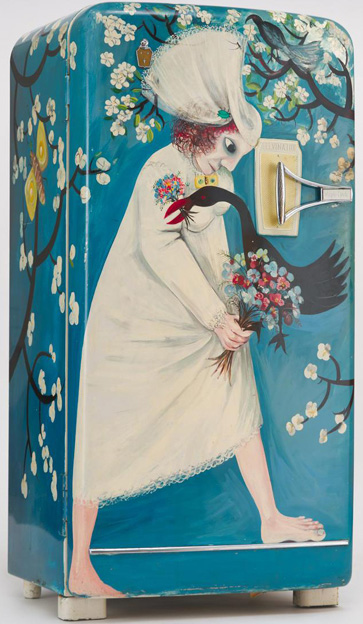
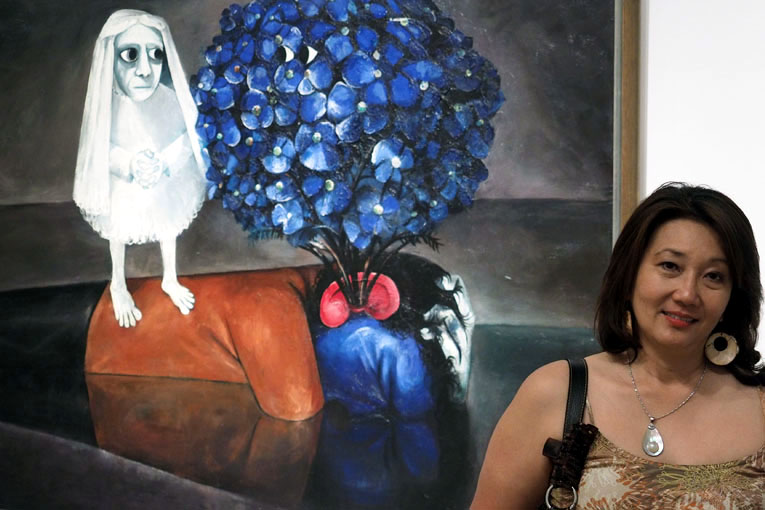
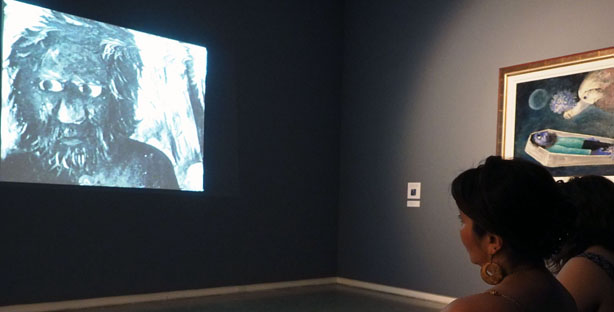
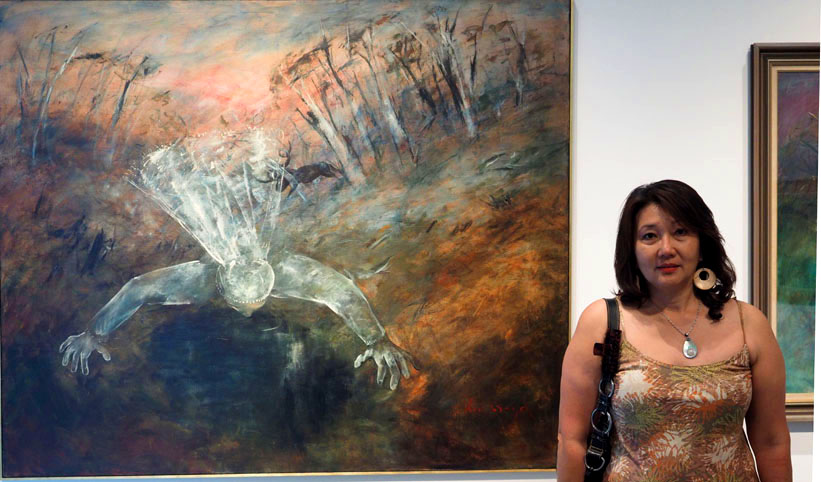
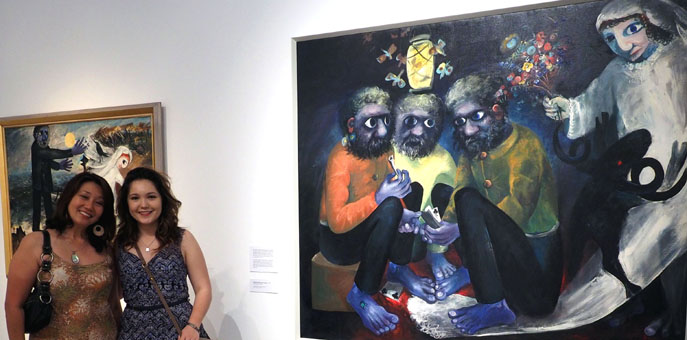

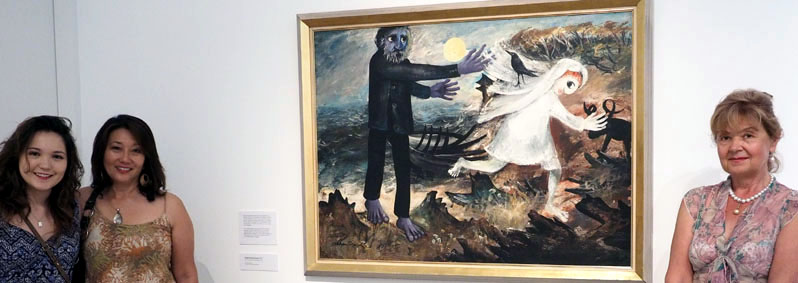
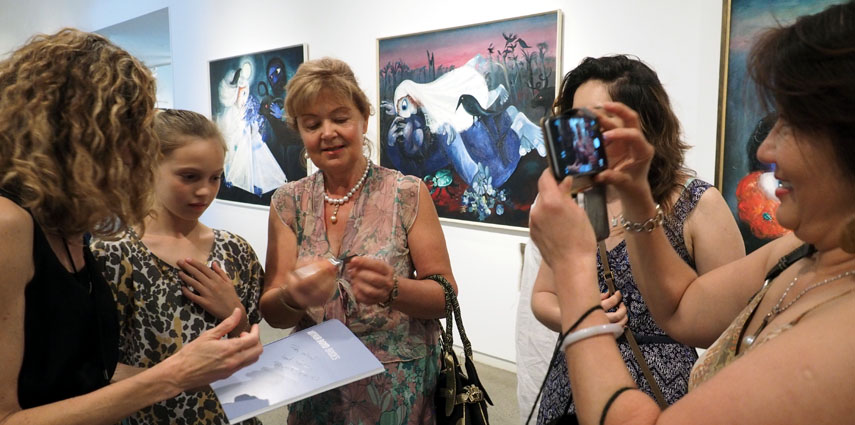
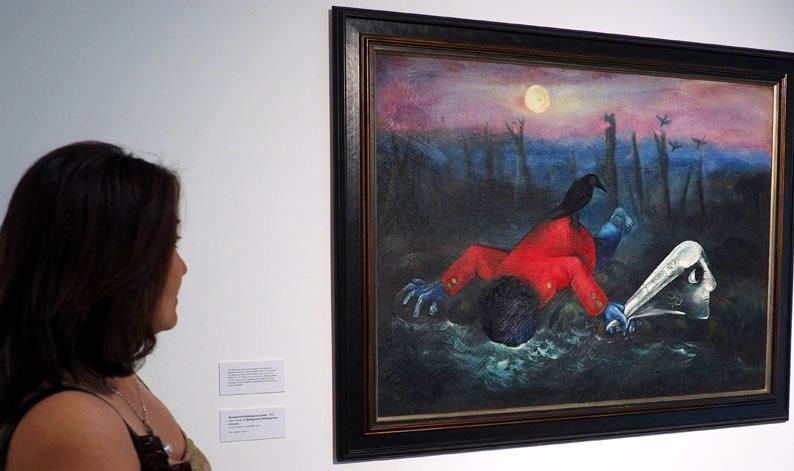




.jpg)
.jpg)
.jpg)
.jpg)
.jpg) Dry Creek Bed 1953-1954,
Dry Creek Bed 1953-1954,
.jpg) Bridegroom Waiting for His Bride to Grow Up,
Bridegroom Waiting for His Bride to Grow Up,.jpg) Phantom Bride 1958,
Phantom Bride 1958,.jpg)
.jpg)
.jpg)
.jpg)
.jpg)
.jpg)
.jpg)
.jpg)
.jpg)
.jpg)
.jpg)
.jpg)
.jpg)
.jpg)
.jpg)
.jpg)
.jpg)
.jpg)
.jpg)
.jpg)
.jpg)
.jpg)
.jpg)
.jpg)
.jpg)
.jpg)
.jpg)
.jpg)
.jpg)
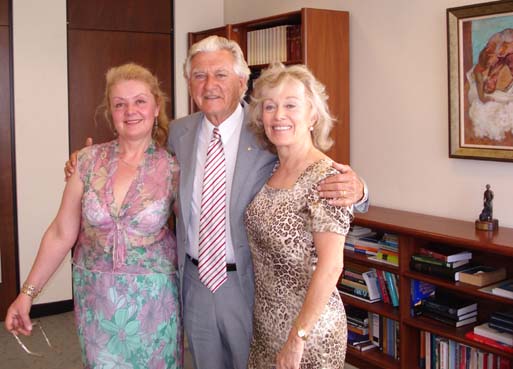
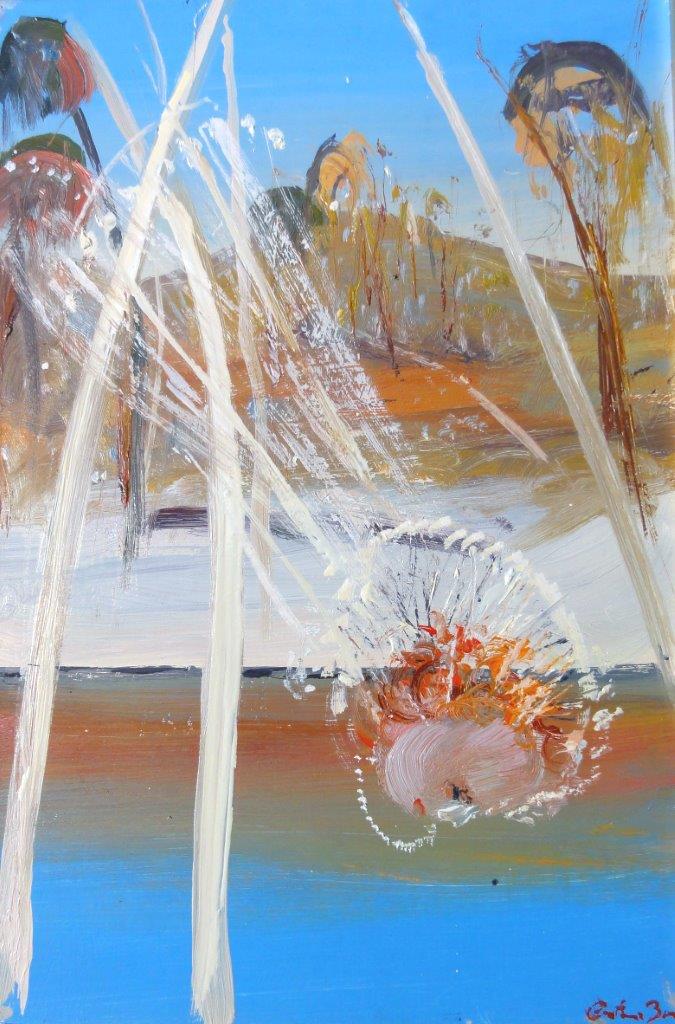
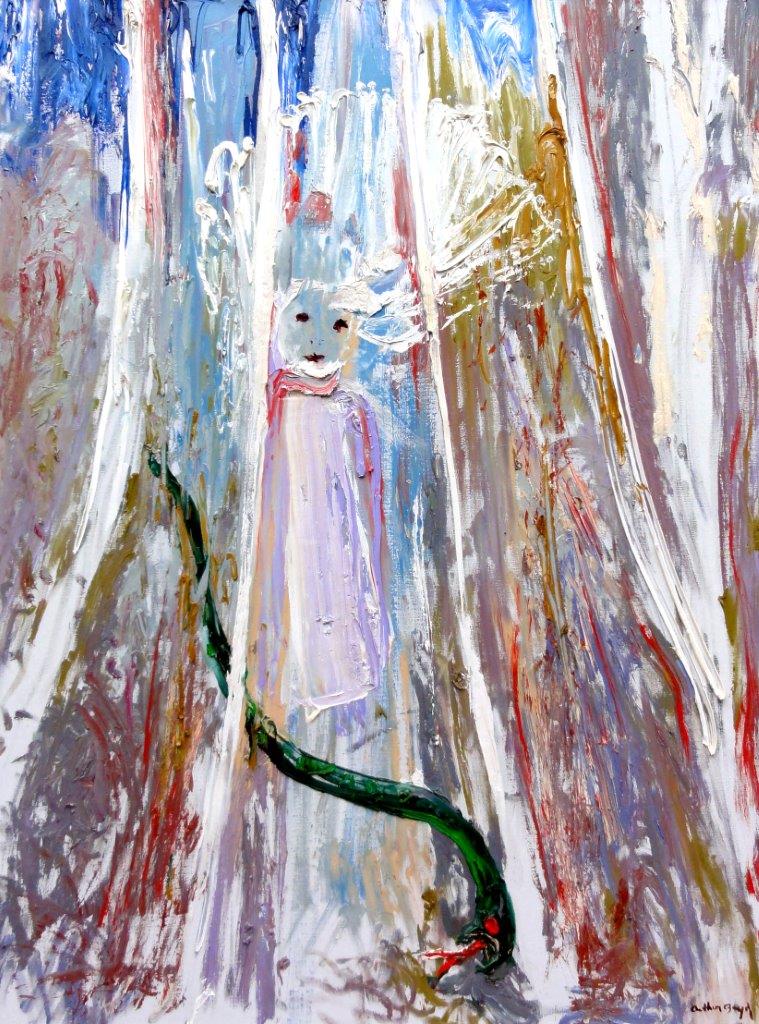
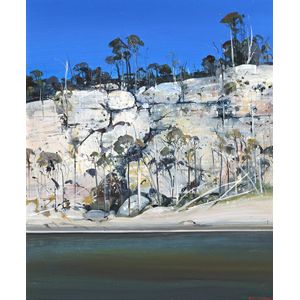
.jpg)
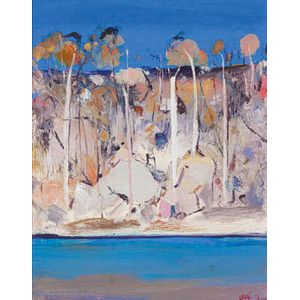
.jpg)
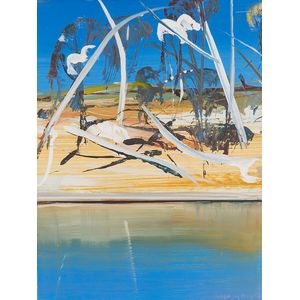
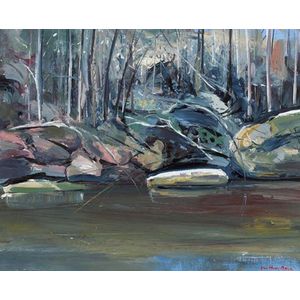
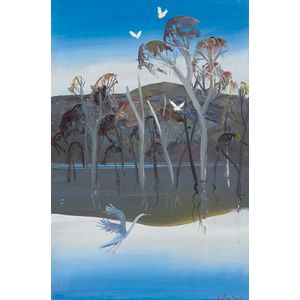
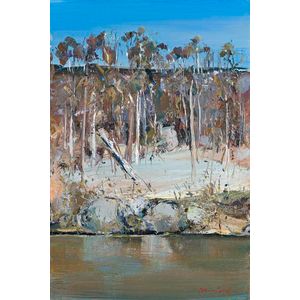
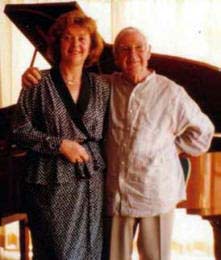
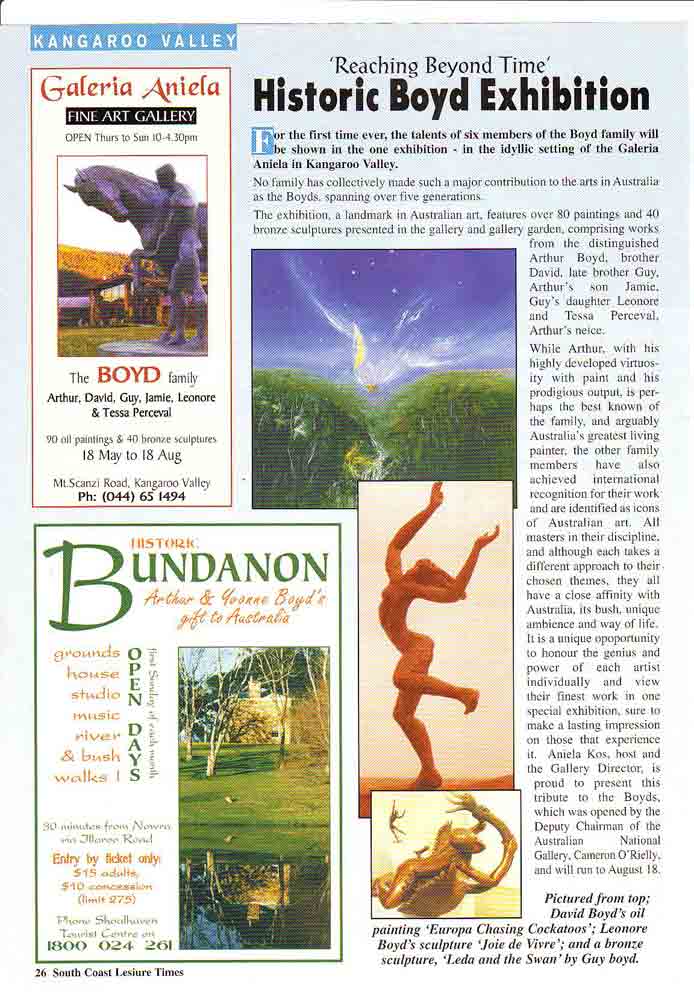
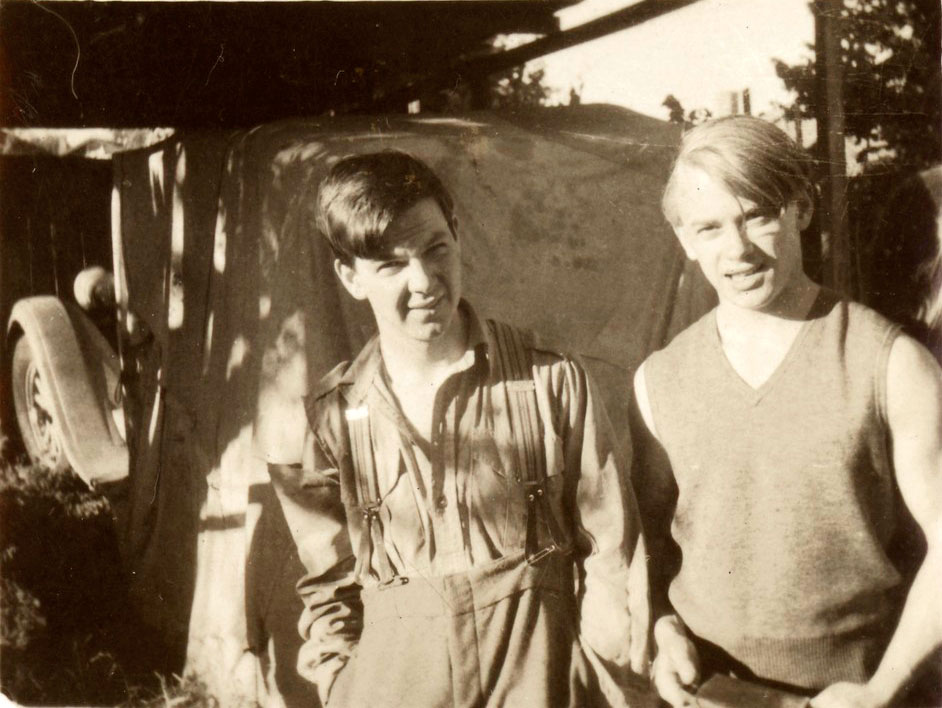
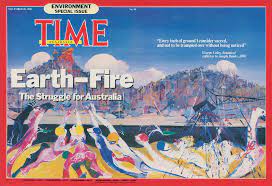
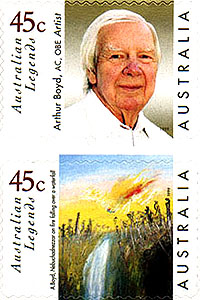
.jpg)