top
Galeria
Aniela
 World’s Local Fine
Art World’s Local Fine
Art
 HOME HOME |
|
Galeria Aniela
specializes in selling work of renowned artists of
impeccable
provenance
and
quality
The Art of Giving Quality
Service
Shipping Worldwide
|
|
Arthur BOYD
(1920-1999)
Graphics |
|
If you consider selling a work of fine
art,
please CONTACT
US we
can to help you save
time and
money.
|
|
|
View
Arthur Boyd
paintings |
|
|
|
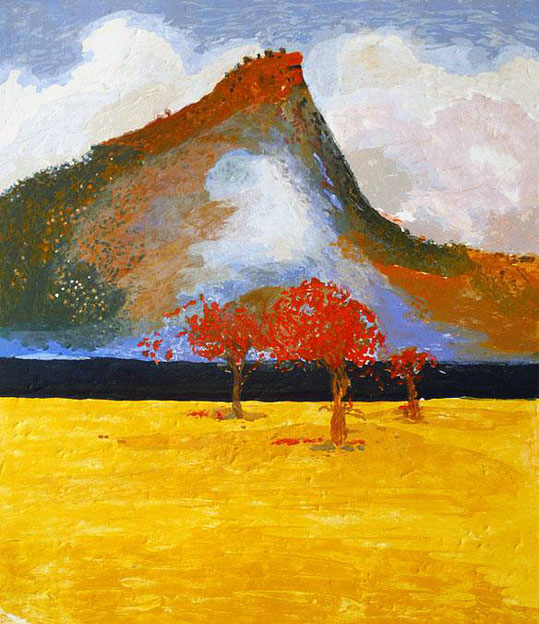
Arthur
Boyd
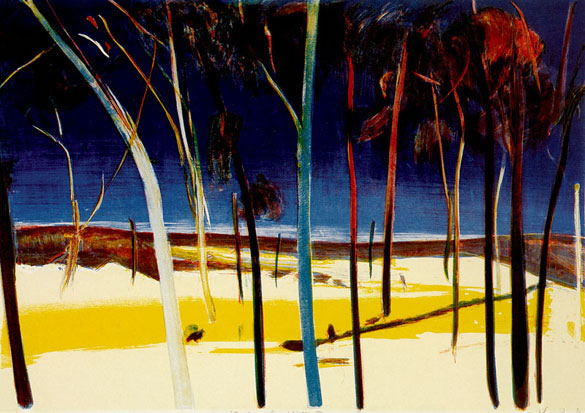
Flame Trees and Pulpit Rock 1997
Collagraph
Paper size: 97 cm x 77 cm
Edition: 70,
Colours: 40, Plates: 6
Price:
SOLD
|
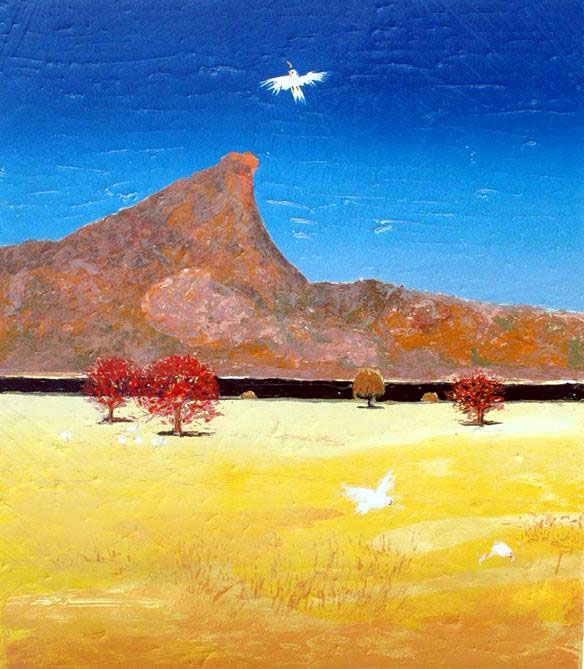
Arthur
Boyd
Flame
Trees, Cockatoos Pulpit Rock
Collagraph
Size: 102 cm x 77 cm
Edition: 70,
Colours: 40, Plates: 6
Price:
SOLD
|
|
|
|
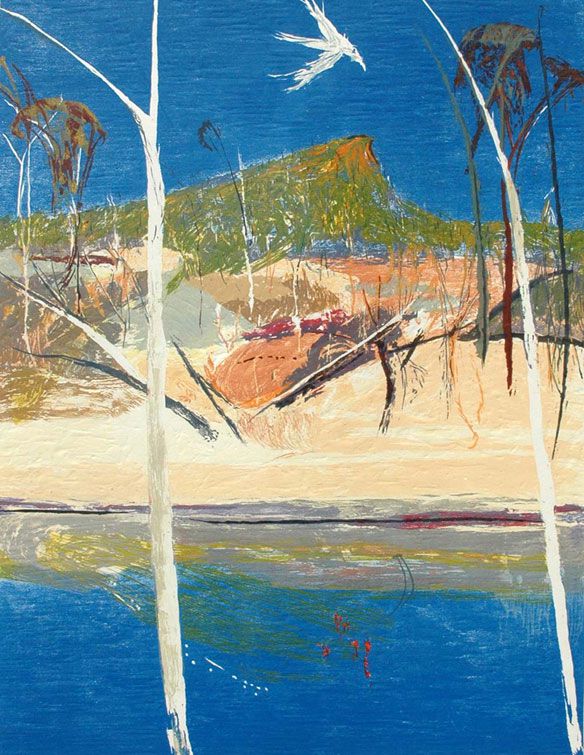
Arthur
Boyd
Pulpit Rock Landscape
Collagraph
Size: 101 cm x 77 cm
Edition: 70,
Colours: 40, Plates: 6
Price:
SOLD
|
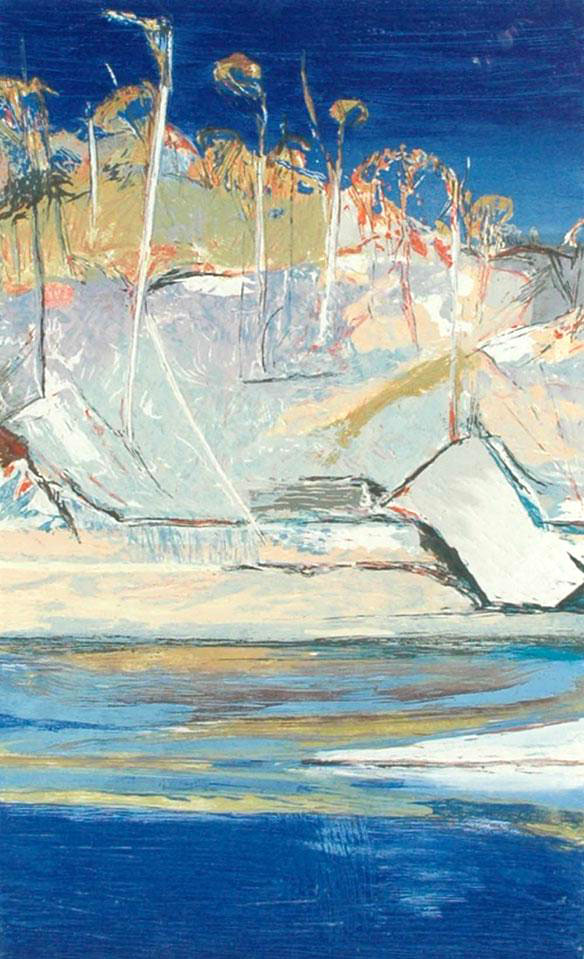
Arthur Boyd
Sandbank, Shoalhaven River I
Collagraph
Size: 104 cm x 63 cm
Edition: 70,
Colours: 40, Plates: 6
Price:
SOLD |
|
|
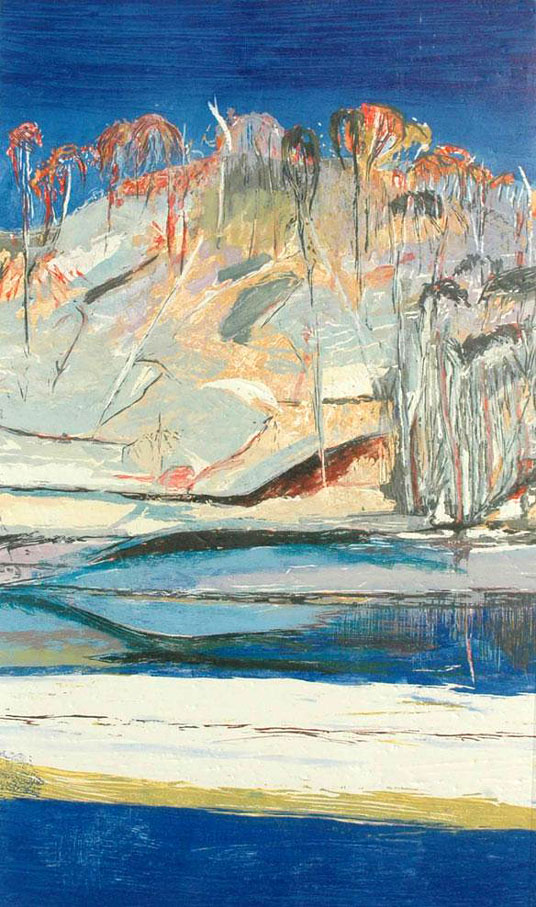
Arthur
Boyd
Sandbank, Shoalhaven River II
Collagraph
Size: 104 cm x 63 cm
Edition: 70,
Colours: 40, Plates: 6
Price:
SOLD |
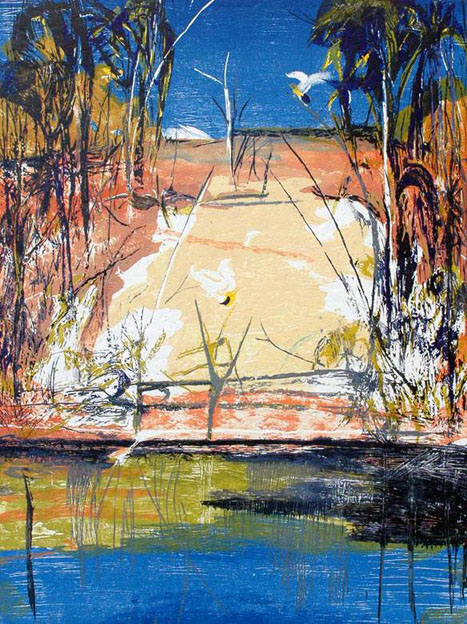
Arthur
Boyd
Angus and the River
Collagraph
Size: 106 cm x 75 cm
Edition: 70,
Colours: 40 Plates: 6
Price: SOLD
|
|
|
 |
|
Arthur Boyd -
Bundanon Quartet
1991 (Lithographs:
scroll down 1,
2,
3,
4)
|
|
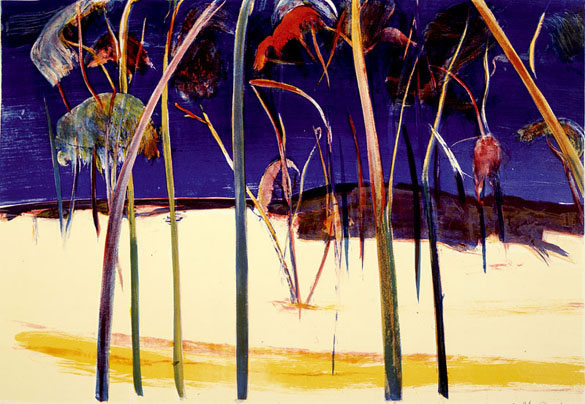
Arthur
Boyd 1920-1999
Bundanon Quartet
1991
Lithograph
(1)
Paper size: 64 cm x 84 cm
Edition: 137
Colours: 14 Plates: 4
Hand
drawn zinc plates
Price: SOLD |
|
|
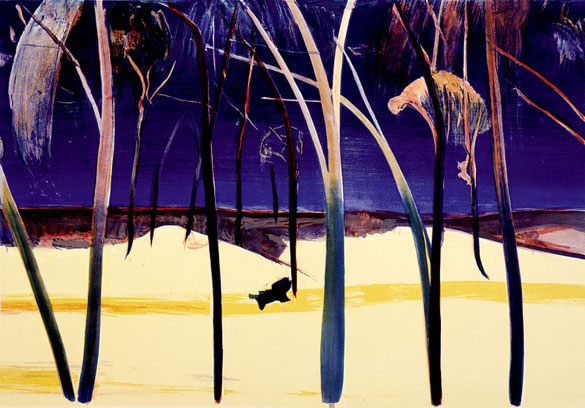
Arthur Boyd 1920-1999
Bundanon Quartet
1991
Lithograph
(2)
Paper size: 64 cm x 84 cm
Edition: 137
Colours: 14 Plates: 4
Hand
drawn zinc plates
Price: SOLD
ENQUIRE |
|
Owning original
Art graphics by World's most famous Artists is within your reach |
|
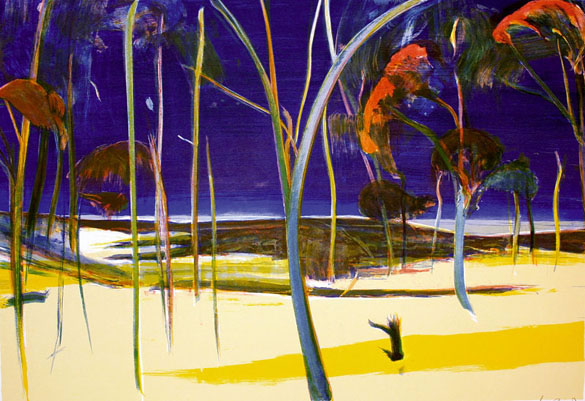
Arthur Boyd 1920-1999
Bundanon Quartet
1991
Lithograph
(3)
Paper size: 64 cm x 84 cm
Edition of 137
Colours: 14 Plates: 14
Hand
drawn zinc plates
Price:
SOLD |
|
Prices subject to change without
notice |
|
Arthur Boyd 1920-1999
Bundanon Quartet
1991
Lithograph
(4)
Image size: 48 cm x 70 cm
Paper size: 64 cm x 84 cm
Edition: 137
Colours: 14 Plates: 4
Hand drawn zinc plates
Price: SOLD |
|
|
Arthur Boyd
1920-1999
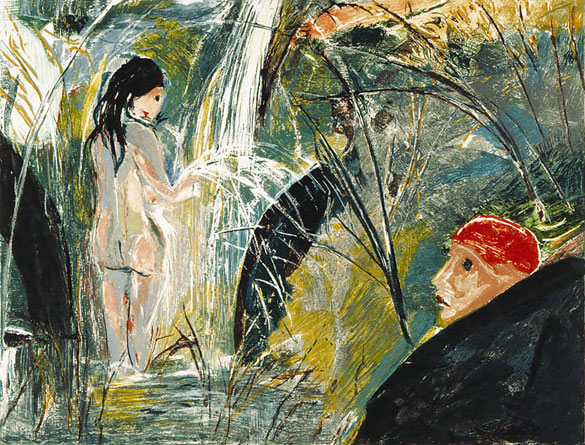
Susanna and the Elder 1995
Collagraph
Edition: 45
Paper size: 77 x 92 cm
Price: SOLD |
|
|
Arthur Boyd 1920-1999
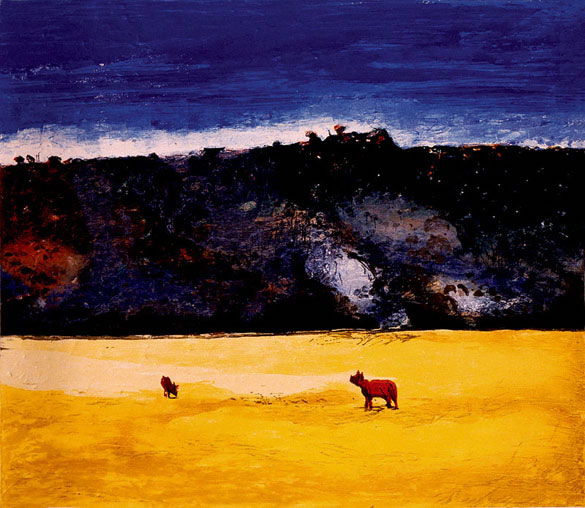
Pulpit Rock and Cows
1998
Collagraph
Edition: 70
Image size: 70
cm x 79 cm
Price:
SOLD |
|
p rices
subject to change without a prior notice |
|
Arthur Boyd
1920-1999
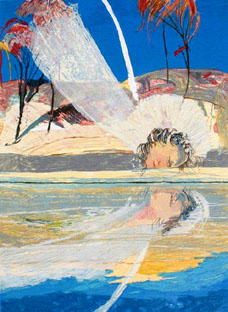
River Bride III
Collagraph
Price:
SOLD |
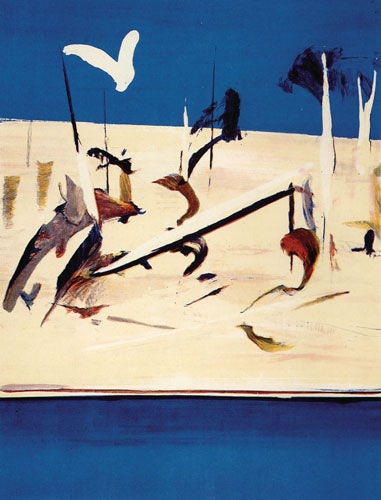
Arthur Boyd 1920-1999
White Cockatoo
Lithograph
Price:
SOLD |
|
|
|
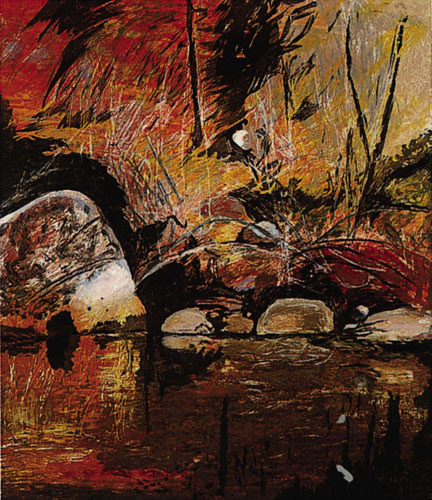
Arthur Boyd
1920-1999
Reflecting
Rocks
Collagraph
Price:
SOLD |
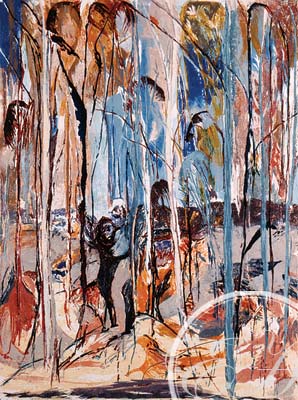
Arthur Boyd 1920-1999
Lovers,
Shoalhaven River Bank Trees I
Collagraph
Price: SOLD |
|
|
|
Arthur Merric
Bloomfield BOYD,
AC,
OBE
(24 July 1920 – 24 April 1999)
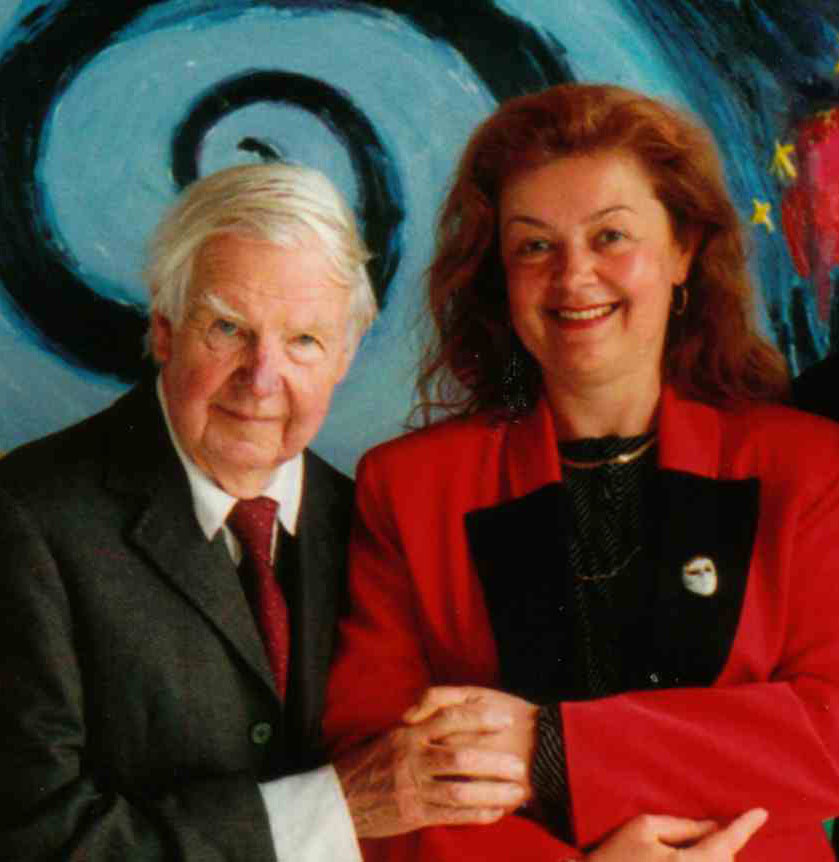 Arthur Boyd Arthur Boyd
was born in
Australia
into the artistic
Boyd dynasty. Many
Arthur Boyd
relatives are also famous
painters,
sculptors,
architects
or other arts professionals.
Arthur Boyd's
sister Mary
married
John
Perceval, and
later
Sidney Nolan,
both artists.
Arthur Boyd
and his
wife Yvonne
née Lennie had 2 daughters and son,
Jamie Boyd,
he
is the
Boyd family most important living artist .
Arthur Boyd
is best known
for his experimental and sometimes complex painting of figures and impressionist
and landscapes.
Arthur Boyd
was a member
of the
Antipodeans,
Melbourne
group of painters including
David Boyd,
Clifton
Pugh,
John Brack,
Robert Dickerson,
John Perceval
and
Charles Blackman.
In 1993
Arthur Boyd
and wife Yvonne make a gift of the Bundanon
properties and his art collections to Australia, a unique cultural and
environmental asset.
The
gift was borne out of Arthur Boyd's often
stated belief that 'you can't own a landscape' and the deeply felt wish that
others might also draw inspiration from Bundanon.
Arthur Boyd is represented in all Australian
state galleries.
In 1997
Arthur Boyd
exhibited
together with
the six members of his
family,
for
the first time,
under one roof of Galeria Aniela fine art gallery.
The Best of BOYD exhibition artists:
Brothers
Arthur Boyd,
David Boyd
and
Guy Boyd
Arthur Boyd's
the only
son,
Jamie Boyd
Nieces
Lenore Boyd
(daughter of
Guy Boyd) and
Tessa
Perceval
(daughter May Boyd, of
Arthur's
sister and
John Perceval).
The
'Best
of Boyd'
exhibition launched
by Cameron O'Reilly, Dep. Chairman National Gallery of Australia,
coup
the front page of the Sydney Morning Herald,
17
May 1997.
The
exhibition
held in Galeria Aniela Fine Art Gallery
consisted
of 80 paintings
and 40 bronze sculptures.
Documentary
review
has been
shown on
the ABC
TV
Australian
National News,
(18 May 1997) and
the ABC TV Sunday Afternoon,
June 1997.
VIDEO
Arthur
Boyd
ABC TV Australian
National NEWS in
Galeria Aniela |
|
|
|
A Limited
Edition Print is derived from an image
produced from a block, a plate, a stone, on
zinc, copper or some similar surface on
which the artist has worked closely with a
print maker or master printer. Unlike
paintings or drawings, prints exist in
multiples. The total number of impressions
an artist decides to make for any one image
is called an edition.
Each impression in an edition is numbered
and personally signed by the artist.
An image may be based on an original
painting, 'after an oil', or the artist (as
in the case of Arthur Boyd) may paint "maquettes"
specifically for prints. The artist may also
create an image directly onto the plates,
depending upon the chosen medium.
Each of the various methods of printmaking
yields a distinct appearance. Artists choose
a specific technique in order to achieve a
desired result.
The choice made by the
artist to produce an image "in print" is the
same as choosing to work in oil or any other
medium. The only difference in print lies in
the possibility of producing a number of
near identical images
Collagraph
Collagraphs can combine the techniques of both
Relief and Intaglio printing and provide the opportunity to achieve wonderful
colours and textures. Collagraphs are created by building up the texture on the
surface of the plate which is then inked in relief and printed. A multiple of
colours is then applied to the surface of the plate and reprinted until the
final image is captured. The textured surface more closely simulates the
painterly effects of the original artwork.
Collography
(sometimes misspelled "collagraphy") is a
process in
which materials are applied to a rigid substrate (such as
cardboard or
wood). The word is
derived from the
Greek word koll or
kolla, meaning
glue and graph, meaning
the activity of
drawing, which could
explain the common misspelling collagraph. (Adding to the confusion, a
photo-collagraph is a term to refer to any type of
collotype photographic
print.)
The plate can be
intaglio-inked, inked
with a roller or paintbrush, or some combination thereof.
Ink or pigment
is applied to the resulting
collage, and the board
is used to print onto
paper or another
material using either a
press or
various hand tools.
The resulting print is termed a collagraph.
Substances such as
carborundum,
acrylic texture mediums,
sandpapers, string, cut card, leaves and grasses can all be used in
creating the collograph plate. In some instances, leaves can be used as
a source of pigment by rubbing them onto the surface of the plate.
Different tonal
effects and vibrant colours can be achieved with the technique due to
the depth of relief and differential inking that results from the
collograph plate's highly textured surface. Collography is a very open
printmaking method. Ink may be applied to the upper surfaces of the
plate with a
brayer for a
relief print, or ink
may be applied to the entire board and then removed from the upper
surfaces but remaining in the spaces between objects, resulting in an
intaglio print. A
combination of both intaglio and relief methods may also be employed. A
printing press may or
may not be used.
Etching
begins with a metal plate, usually of
copper, that has been covered with a waxy
surface called a "ground". The artist
creates a composition by drawing through the
ground to expose the metal.
The plate is
then immersed in an acid bath that
chemically dissolves the exposed lines. The
ground is then removed, ink is introduced
into the incised lines and the plate is
wiped clean.
The plate is then covered with
dampened paper and run through a press under
great pressure in order to force the paper
into the lines, resulting in the raised
characteristic of etching.
Invented in Germany in 1798,
lithography is perhaps best known from the prints of artists
of the 1890s such as Toulouse Lautrec. Lithography is based
on the chemical principle that oil (or grease) and water
don't mix.
On a special type of stone that has been
cut-polished (or porous metal), the image is drawn with a
greasy crayon or with a brush and specially prepared oil
based ink.
Using a sponge, the surface is then dampened with
water. An ink charged roller (oil based) is then passed over
the surface. Ink is accepted by the greased image and
simultaneously repelled by the indrawn areas of the stone,
which retain water.
A
Lithograph work is obtained by placing a sheet
of paper on the inked stone or metal which sits on the bed
of a lithographic press and then running the stone and paper
under the scraping pressure of the press. Linear and tonal
values of great range and subtlety characterise lithographs
because of the freedom possible when making the original
drawing on the plate.
Return Top |
|
|
|
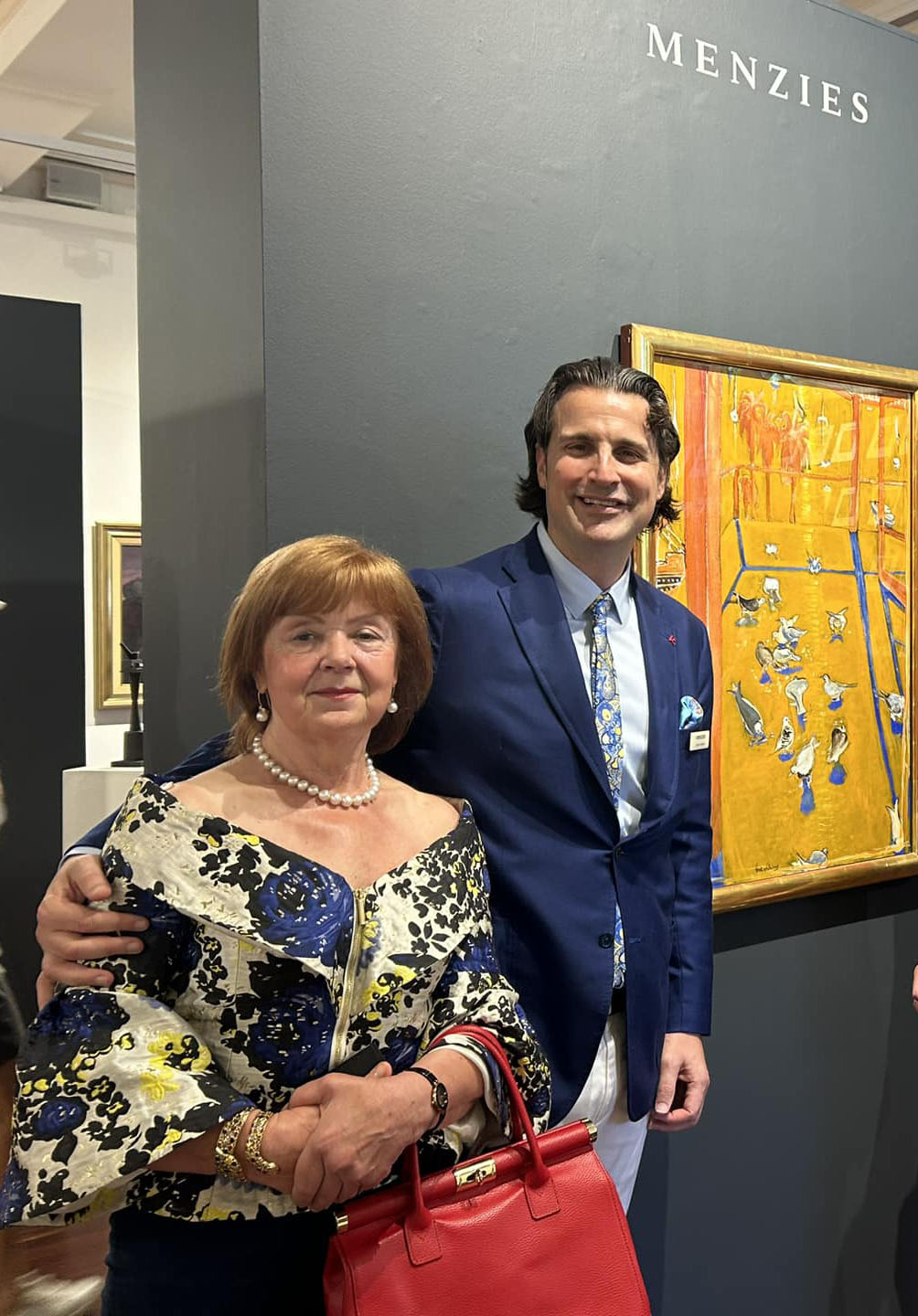
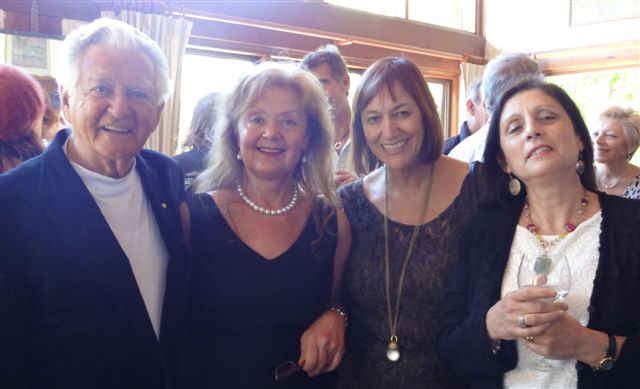
Founded in 1994, Galeria Aniela Fine Art Gallery
has been known for its diverse and fascinating
exhibitions featuring
the world-class artists
and hosting
celebrities such as
Sir David Attenborough,
Cameron
O’Reilly,
Bob Hawke
the Prime Minister
of
Australia,
has earned
acclaim both in Australia and internationally.
Galeria Aniela
provides a
professional independent consulting
brokerage service
that others are unable to match, representing clients best
interest
on buying and selling art in the
art market from the point of quality,
investment
value and
provenance.
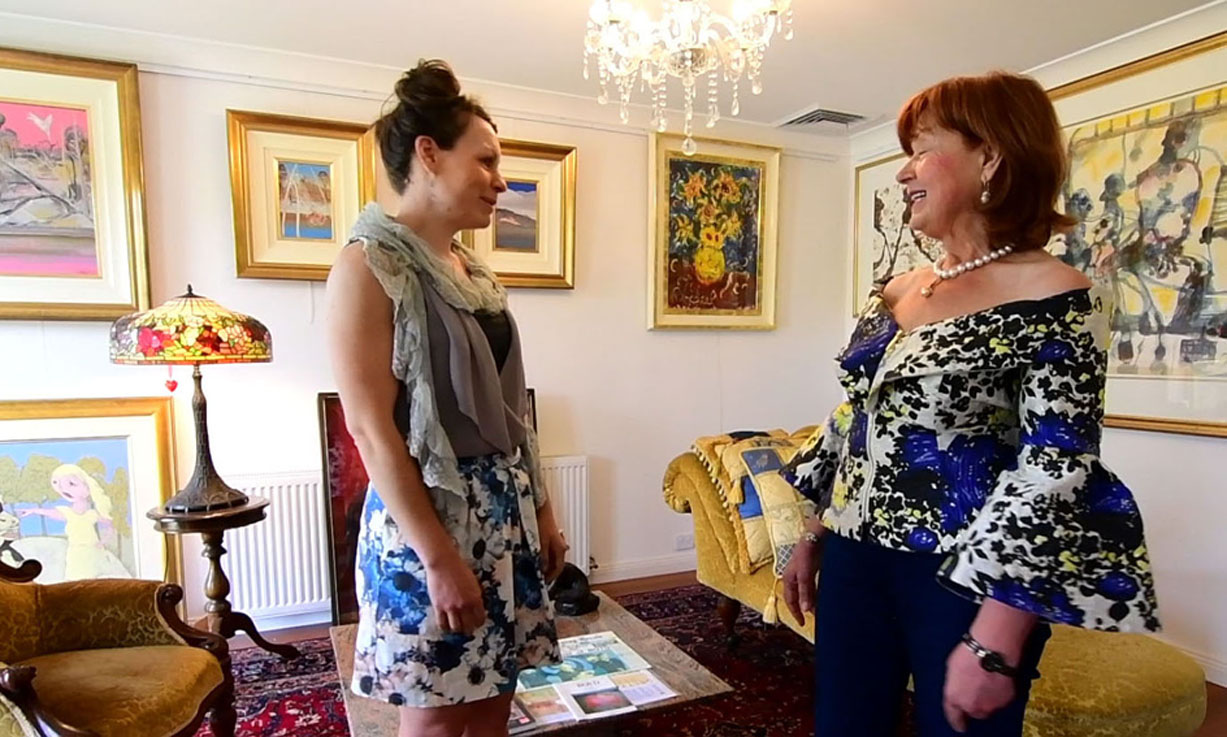
video Galeria Aniela Consulting Brokerage Service
Combining a wide network of resources and
expertise in the
Australian
art and
Global
art market, Galeria
Aniela assists clients in all aspects of dealings in
fine art,
helping save time and money.
Whether you are a first-time buyer, an astute investor
or enthusiastic collector, our people focused approach
ensures an enjoyable and rewarding experience.
We welcome the opportunity to speak with you,
please
feel free to
contact
us
to discuss the ways in which Galeria Aniela can assist you
now and in the future.
Testimonials
If you consider selling work of
Arthur Boyd,
Brett Whiteley,
Fred Williams,
Jeffrey Smart,
Arthur Streeton,
John Perceval, Charles Blackman,
Garry Shead
or other significant work of fine art, please
contact us, we help you save time and money.
At Galeria Aniela, Fine Art
refers to
high-quality
works by
renowned
artists
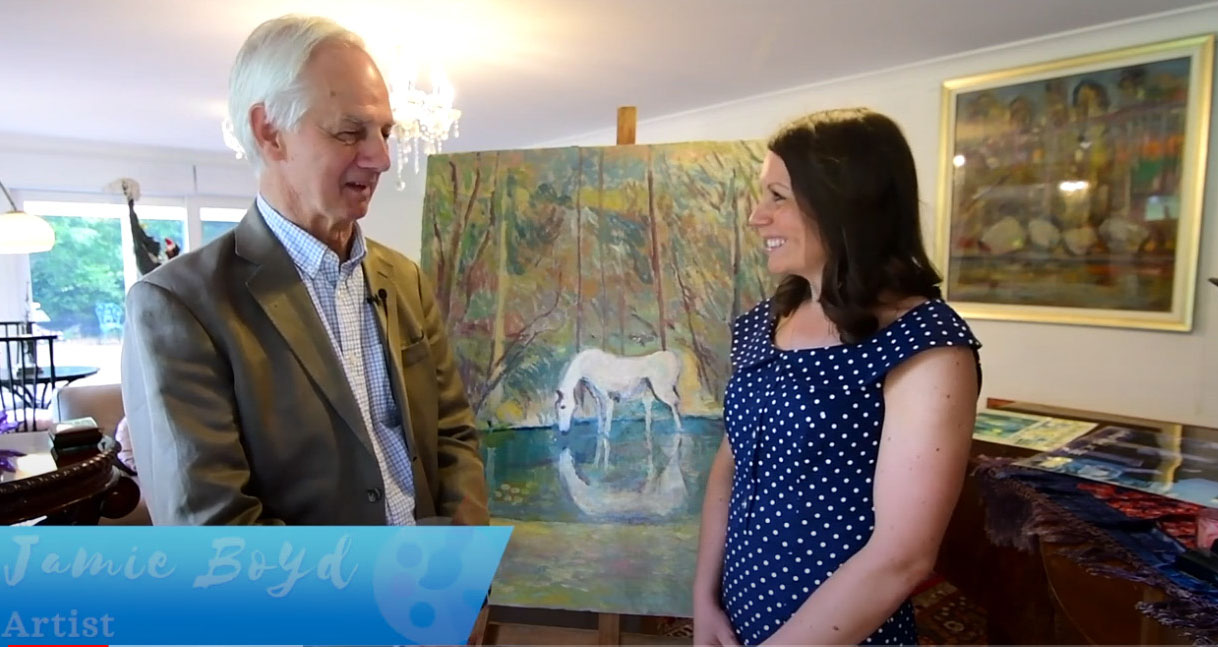
Video Jamie Boyd is the Boyd family most important LIVING
artist
The
BOYD
family
exhibition
in
Galeria Aniela Fine Art Gallery
and
Sculpture Park
coup the
front page
of the
Sydney
Morning Herald
and
Australian National NEWS, the ABC TV
and also
Sunday
Afternoon, the ABC TV.
John Perceval
Retrospective conquer
the Australian
National NEWS ABC TV and
Charles Blackman
Retrospective won
Australian
Art Scream
SBS
TV.
PAST
Exhibitions
|
|
|
Fine Art is one of the most enjoyable and viable
investments,
essential
to wellbeing
|
Contact
Copyright
Disclaimer
|
|